

Industry: Brewery | Process: Milling
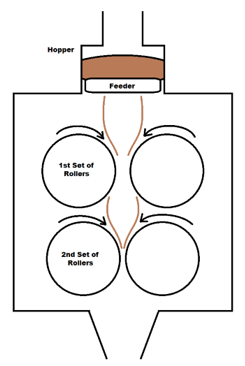
Milling sets the table for wort quality. The goal is simple but unforgiving: free the endosperm (the starch-rich core) without shredding the husk—“a prerequisite for high-quality beer” (www.czechminibreweries.com).
The costs of falling short add up fast. Industry experts report that dull roller flutes raise energy use up to ~50% and cut yield by 2–4% (www.buhlergroup.com) (www.buhlergroup.com). One concrete example: a 0.1% drop in flour yield on a 400 t/day mill can mean about $12,000 lost per month (www.buhlergroup.com).
The flip side is equally stark. Timely roller refurbishment—re-corrugation (sharpening the grooves of a roll’s fluted “corrugations”)—keeps throughput high, often extending roll life ~30% and halving energy per pass (www.buhlergroup.com) (www.buhlergroup.com).
Roller inspection and re‑corrugation
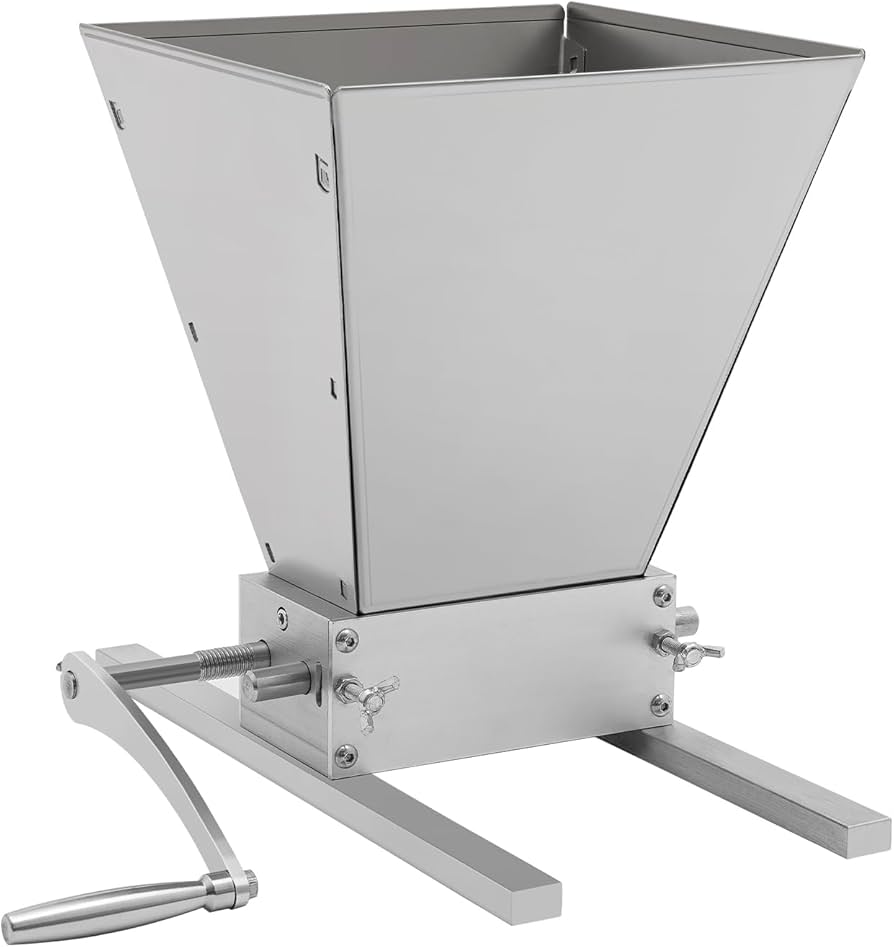
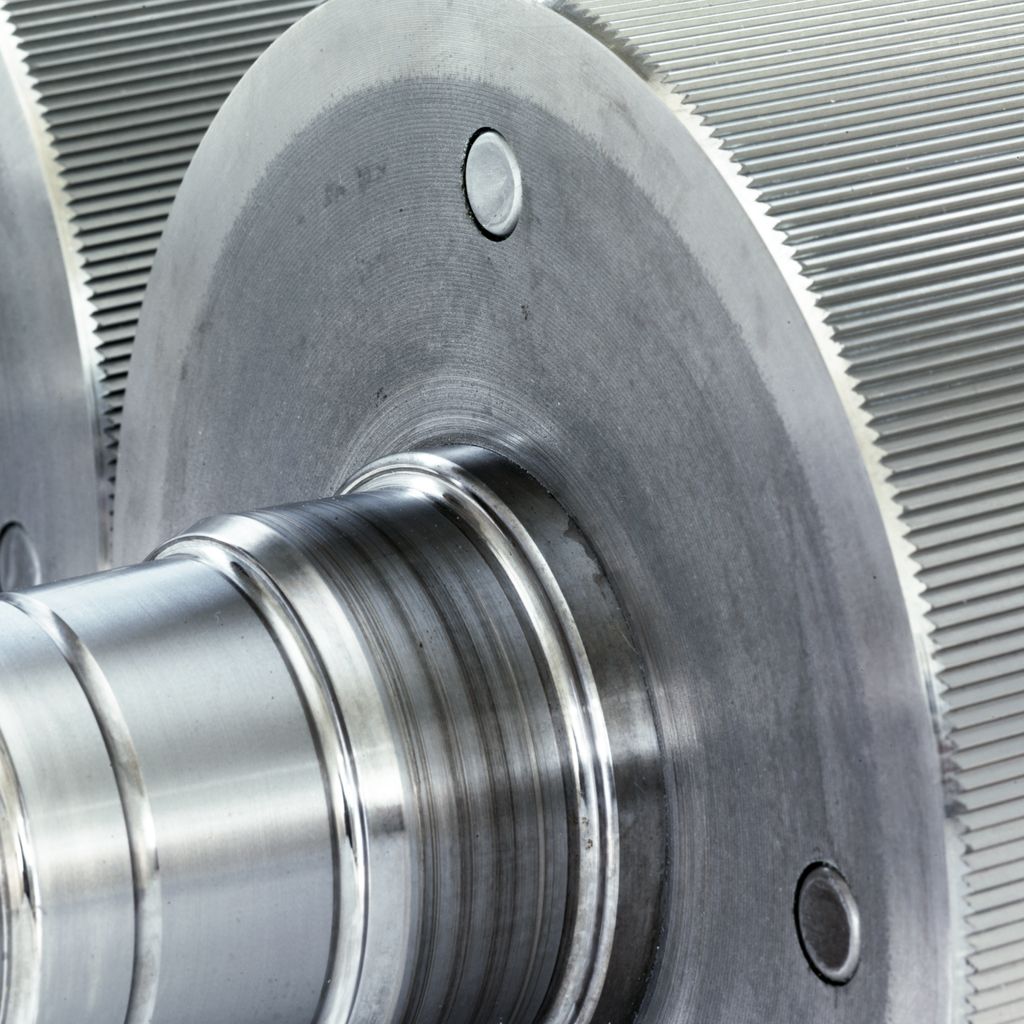
The inspection rhythm matters. Visual checks (daily or weekly) look for chipped or flattened flutes, end‑dam wear, or cheek‑plate gaps, with a full roll profile check at least annually. More formal measurement (monthly/quarterly) uses gauges or rubber molds to assess corrugation depth; RMS Roller Grinder recommends “paralleling and zeroing” the rolls monthly to reset the crush gap (rmsroller-grinder.com).
Many breweries send roll molds to specialists (RMS or Bühler) for a “percent life remaining” report (rmsroller-grinder.com). Any sign that flute angles are blunted—as Bühler’s Carlson describes, the transition “from a cutting action to a crushing action” when angles wear—is a trigger to re‑corrugate (www.buhlergroup.com).
Re‑corrugation is typically done off‑site and scheduled by usage (tonnes or operating hours) and performance signals (particle‑size distribution, wort extraction). Bühler notes that properly refurbished rolls restore grain‑cracking efficiency and avoid large fines, preserving extraction (www.buhlergroup.com) (www.buhlergroup.com). Profilometry or laser‑based gap monitors help; Bühler’s mill‑monitoring “TVM” tracks grinding‑gap parallelism and vibration to support predictive maintenance (www.buhlergroup.com).
Lubrication standards and schedules
Lubrication is a reliability anchor. “Statistically, lack of, or incorrect, lubrication” causes nearly 70% of bearing failures, RS Components notes (us.rs-online.com). In breweries, that means food‑grade grease and timely service across roller and motor bearings, screw drives, and slide rails. Fuchs Lubricants recommends a water‑resistant NLGI‑2 (consistency grade) food‑grade grease for roller bearings in malt conveyors and mills (www.safefoodfactory.com).
Regulatory momentum is clear, too: Indonesian breweries are moving to certified H1/3H lubricants (NSF food‑contact classifications) aligned with ISO 21469 hygiene standards for lubricants (mediaindonesia.com) (mediaindonesia.com). RMS checklists explicitly call out “Grease Bearings” and “Grease Slide Rails” on schedule (rmsroller-grinder.com), and RS emphasizes that neglecting bearing lubrication can lead to premature failure and misalignment (us.rs-online.com).
Roll parallelism and drive alignment
Alignment keeps wear even and power draw stable. RS Components links misalignment to improper mounting or bent shafts, recommending laser or dial‑indicator checks (us.rs-online.com) (us.rs-online.com). In roller mills, the two rolls must remain perfectly parallel; monthly “zeroing” resets the touch position (rmsroller-grinder.com).
Pulley and belt alignment are equally consequential. Misaligned pulleys drive belt wear and slippage, RMS and CPM (Processing Magazine) caution (rmsroller-grinder.com) (www.processingmagazine.com). A vibration monitoring program is a practical early‑warning layer—rising amplitudes often reveal growing misalignment or bearing fault before a failure (us.rs-online.com).
Routine inspection checklist
Breweries standardize the work with a checklist and defined frequencies. The following items reflect common practice and published guidance:
- Roller gap calibration: ensure the two rolls are parallel and reset the “zero gap” monthly (rmsroller-grinder.com). Feeler gauges or dial indicators at several points along the roll length support the check.
- Roll condition: visually inspect corrugations for wear, scoring, or flats; measure flute depth or take a template if wear is suspected (rmsroller-grinder.com) (www.processingmagazine.com). Schedule re‑corrugation if grooves are worn or endosperm particles are larger than usual, a sign of cutting loss (www.buhlergroup.com) (www.buhlergroup.com).
- Side seals and cheek plates: check cheek plates and top seals that guide grain to prevent bypass; tight seals ensure all grain enters the nip between rolls (www.processingmagazine.com).
- Bearings and slides: grease plain and roller bearings, shaft‑slide rails, and adjustment screws with approved food‑grade grease per OEM schedules (rmsroller-grinder.com) (www.safefoodfactory.com). Inspect grease lines/fittings for leaks or blockages (rmsroller-grinder.com). Any sign of dry thrust bearings or leaked grease warrants immediate relubrication or replacement.
- Belts and pulleys: examine drive and idler V‑belts for glazing, cracks, or slack; check and adjust belt tension and pulley alignment monthly (rmsroller-grinder.com) (www.processingmagazine.com). Worn drives reduce torque transmission and increase slippage (and energy use), so replace aged belts.
- Motor and couplings: inspect the mill motor for overheating, unusual noise, or vibration. Verify shaft coupling alignment/rigidity (laser align if available) (us.rs-online.com). Misalignment at the motor can induce roll misalignment; re‑check after maintenance.
- Cleanliness: remove built‑up grain dust or malt husk around the enclosure, between rolls, and on magnets/metal detectors. Clean dust exhaust and filters; trapped debris can cause blockages and dust leaks (rmsroller-grinder.com) (www.processingmagazine.com). Cleanliness also reduces microbial hazards.
- Safety guards: ensure all covers, guards, and emergency stops are in place and functioning before operation (mandated by machine safety standards, even if no specific Indonesian SNI covers breweries).
- Monthly/quarterly review: conduct deeper checks quarterly—motor bearings for wear, gearbox oil levels (if present), pulleys for corrosion or wear (rmsroller-grinder.com) (us.rs-online.com).
- Annual overhaul: once per year, pull the rolls (if feasible) to inspect bearings and axles; re‑corrugate or replace if analysis indicates >20–30% wear; replace intake hopper screens or sieves for an even feed (rmsroller-grinder.com) (www.buhlergroup.com). Reseal dust gaps or flanges to eliminate leaks (rmsroller-grinder.com).
Maintenance outcomes and reliability metrics
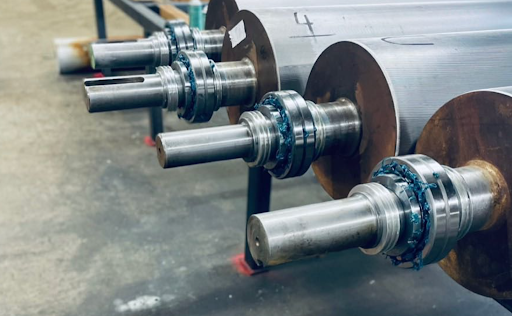
Plants that lock in monthly/quarterly/yearly routines report practical gains: “helps prevent costly breakdowns, decrease downtime, and maximize productivity” (rmsroller-grinder.com). Data from manufacturing echo the pattern: preventive maintenance raises mean time between failures and overall equipment effectiveness (OEE, a throughput‑quality‑availability metric) (www.getmaintainx.com) (www.getmaintainx.com).
The conclusion is straightforward: keep flutes sharp, gaps parallel, and bearings fed with the right grease. The payoff—fewer fines, higher extract, and steadier uptime—tracks exactly with what Bühler, RMS, and RS Components document across mills and power‑transmission systems (www.buhlergroup.com) (rmsroller-grinder.com) (us.rs-online.com).