
A precise sparge—around 168–170 °F (77–78 °C) and a grain‑bed pH kept below 6.0—pulls sugars, not tannins. Breweries are getting there with disciplined temperature control, acidified sparge liquor, and smart stop points at 1.008–1.010 SG.
In lautering (the separation and rinsing of sweet wort from the mash), two levers dominate whether a beer pours clean or astringent: heat and pH. Industry guides repeatedly point to ~170 °F (77 °C) water as the sweet spot—hot enough to thin wort and flow, but not so hot that husk polyphenols (tannins) spike into solution (byo.com; byo.com).
The other lever is pH. As sparge runnings thin, the grain‑bed pH naturally rises; above 6.0, tannins and silicates dissolve readily, pulling “mouth‑puckering” bitterness and haze into the wort (horiba.com; biralleebrewing.com).
Data from small‑scale mash trials echo the field wisdom: sparging above ~175–180 °F deepens color and astringency, while ~170 °F yields lighter wort with fewer harsh polyphenols (byo.com). Long sparge times (1–2 hours) can improve yield, but when the temperature and pH are dialed in, ~30 minutes is routinely sufficient (byo.com).
Thermal limits for sparge liquor
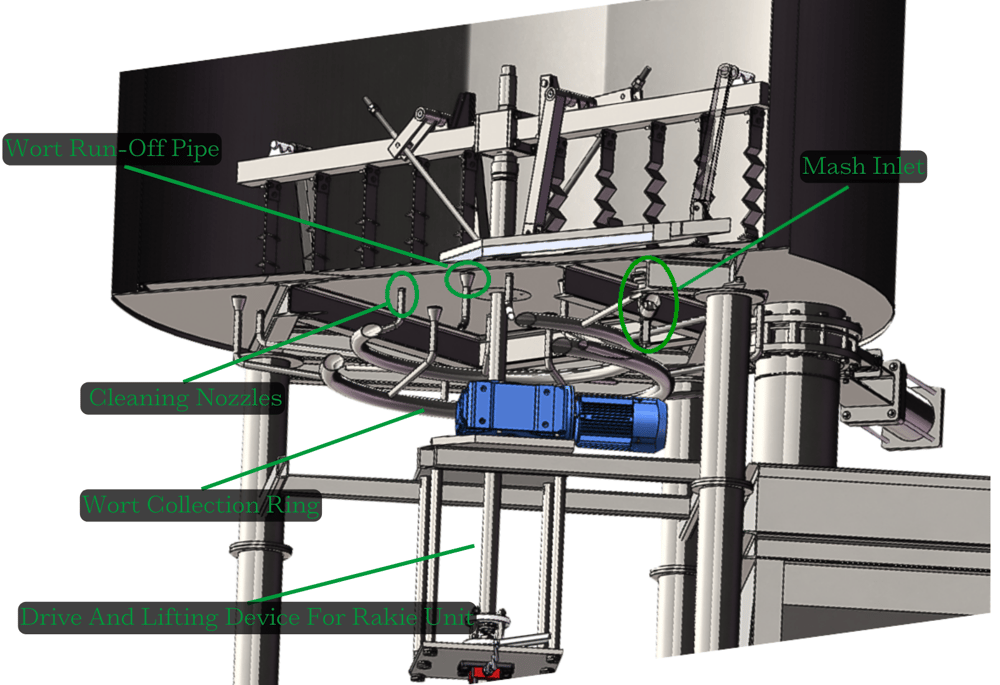
Most breweries target ~168–170 °F (77–78 °C) for sparge liquor and the mash‑out (a brief heating step to stop enzyme action and ease runoff). Above ~175–180 °F, tannin solubility rises sharply; “the higher the temperature, the more tannins will leach out of the lauter bed” (byo.com; byo.com). In practice, breweries routinely flush the bed with ~170 °F water—often post‑mash‑out—to maintain flow and efficiency without over‑extracting husk material (byo.com).
Effect in brief: hot water loads grain husks with more polyphenols; keeping sparge liquor under ~170 °F avoids this.
Runoff pH control and tannins
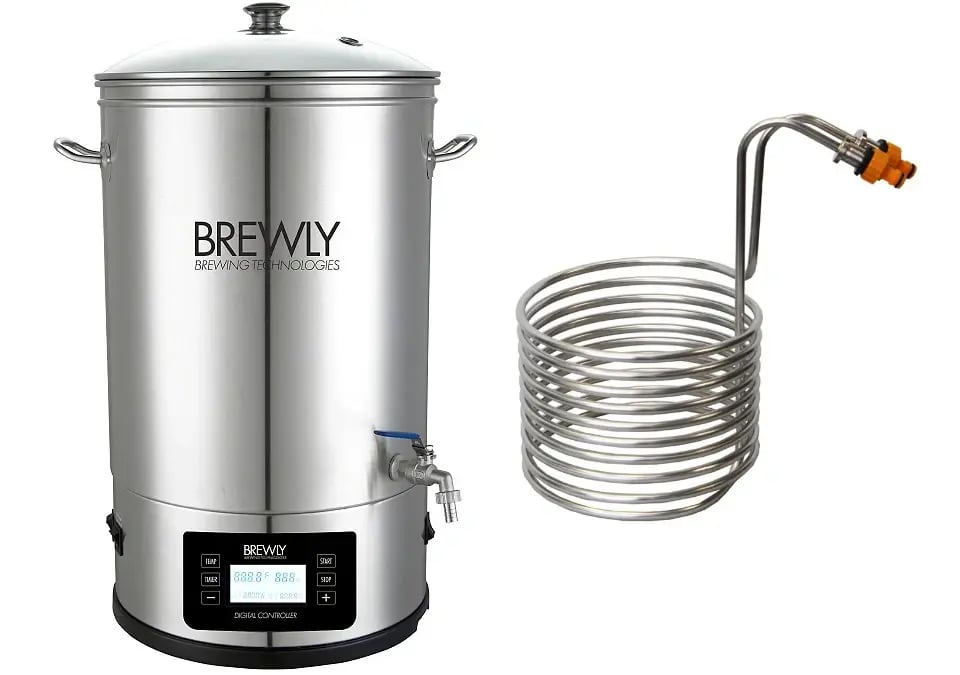
Along with heat, pH is the dominant factor in husk tannin extraction. Wort draw‑off pH naturally “rises during the last stages of wort collection,” and industry guidance states the pH of the run‑off wort “should be below 6” because higher pH will extract tannins, silicates, and other compounds that drive astringent off‑flavors and cloudiness (byo.com; horiba.com).
Targets in practice: aim for sparge/runoff pH ≤6.0, ideally ~5.5–5.8 (horiba.com; biralleebrewing.com). Brewing practitioners routinely target ≲5.8–6.0 and halt collection before the bed crosses that threshold (beerandgardeningjournal.com; biralleebrewing.com).
Why keep the grain‑bed pH below 6.0? Malt husk polyphenols are largely insoluble in acidic wort but dissolve readily as pH rises; once mash pH tops ~5.8, “excessive tannins” can enter the wort, and if it exceeds 6.0 “you also risk excessive tannin extraction,” leading to “mouth‑puckering, husk‑like graininess” (beerandgardeningjournal.com; accidentalis.com).
Stop points and extract efficiency
Empirically, extract efficiency plates out before pH becomes risky. In one sparge test, stopping around 1.008–1.010 SG (specific gravity; ≈2–3 °Plato) delivered roughly 90–98% of extract while keeping pH below 6.0 (byo.com; byo.com). Pushing far below that gravity adds marginal sugar but sharply increases tannin pickup (byo.com). One guide even notes many breweries never reach pH 5.8 unless runnings dip under ~1.010 SG—supporting earlier shutdown rather than heavy acidification in some cases (beerandgardeningjournal.com).
For brewhouses focused on repeatability, judicious acidification of the sparge remains standard practice to guarantee those sub‑6.0 runnings (beerandgardeningjournal.com).
Acidification and dilution methods
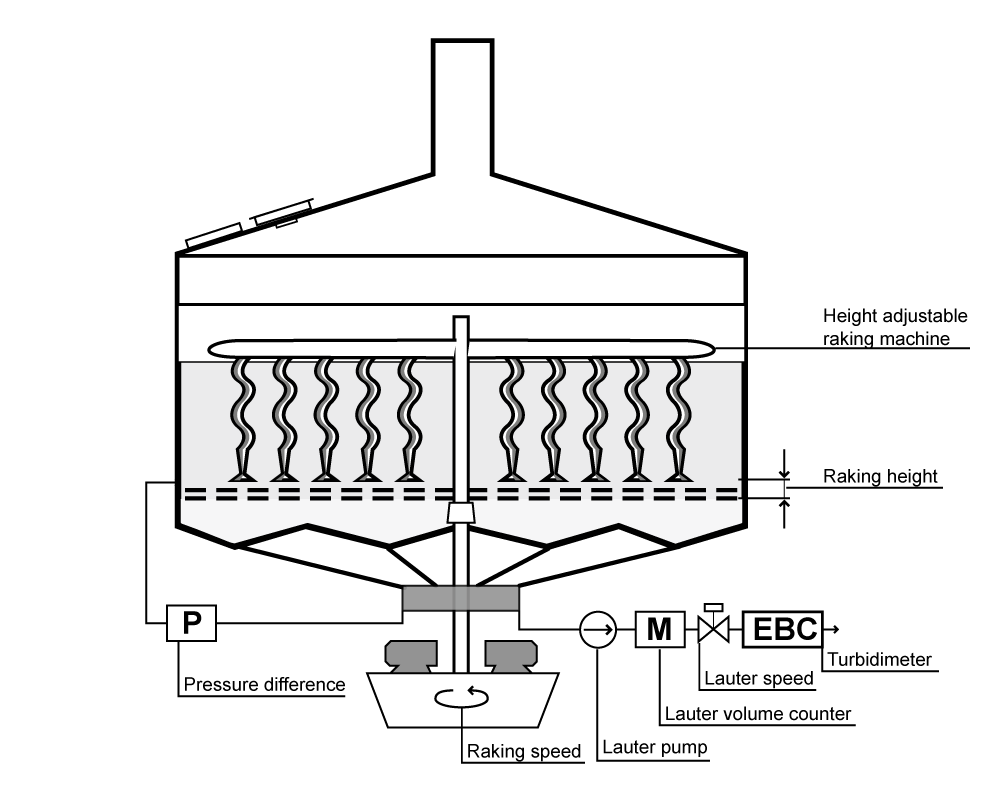
Achieving the pH target generally requires treating the sparge liquor. Untreated city/groundwater often trends neutral to alkaline and pushes pH upward. Many brewers acidify sparge water with food‑grade acids—typically phosphoric or lactic—to ~5.4–5.8; a common rule‑of‑thumb is ~0.4 mL of 85% phosphoric acid per 23 L (6 gal) to move from ~7.8 to ~5.8, added gradually with stirring and measured with a calibrated, temperature‑compensated probe (exact amounts must be set by measurement) (byo.com; biralleebrewing.com). Phosphoric acid is often preferred at scale because it is safer to handle and flavor‑neutral; it is also already used in CIP (clean‑in‑place) elsewhere in breweries (biralleebrewing.com).
Accurate metering supports consistency; plants commonly reach for an on‑line solution such as a dosing pump for controlled chemical addition. When alkalinity is high, brewers also dilute with reverse‑osmosis water; many facilities standardize this step using modular RO membrane systems to keep sparge liquor predictable (byo.com).
Calcium salts and alkalinity management
Adjusting with calcium salts (gypsum or calcium chloride) lowers effective pH by precipitating bicarbonates in the mash; many brewers treat the mash in advance so the combined mash + sparge pH stays in range (byo.com; nchasia.com). If the source water has very high carbonate—alkalinity > ~150 ppm as CaCO₃—partial blending with RO/distilled water is advised; brewing tests suggest alkalinity ≲80 ppm minimizes acid needs (accidentalis.com). Matching salt additions in the sparge to those used in the mash helps avoid pH drift that can “open the door” to tannin uptake (byo.com).
Local source‑water conditions (Indonesia)
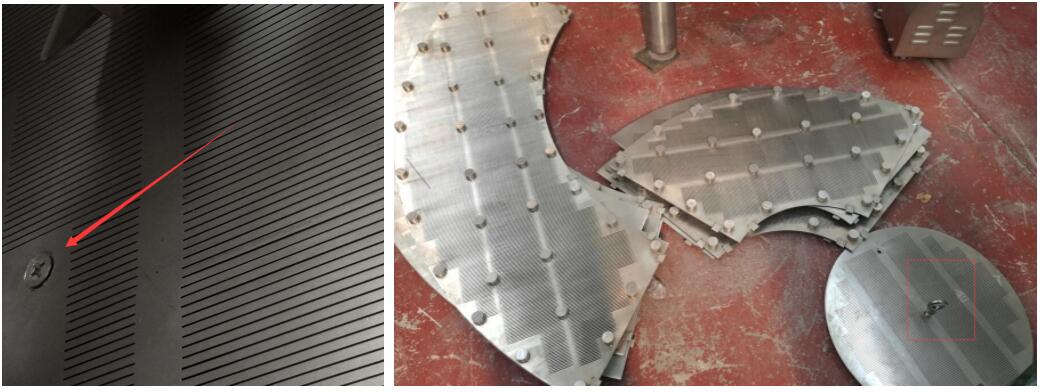
Indonesian regulation (Permenkes No.2/2023) sets potable water at pH 6.5–8.5, meaning most tap/groundwater arrives neutral to alkaline (tan.co.id). Breweries therefore treat brewhouse water to hold mash at pH 5.2–5.6 and sparge at ≤6.0, and typical source water often must be acidified or softened to achieve that profile—work that can include conventional ion removal with a softener, alongside the acidification and dilution steps cited above.
Operational metrics and routine checks
Data from test mashes underline the payoff: a properly acidified mash (pH ≈5.4) produced noticeably more fermentable sugars than a high‑alkalinity mash (pH ≈7.2) and yielded cleaner‑tasting wort (accidentalis.com). Success metrics include maintaining pH 5.2–5.6 in the mash and ≤5.8 in the sparge, limiting final runnings to ~1.008–1.010 SG, and tracking astringency via sensory checks. In practice, routine pH meter readings, SG checks, and line observations keep the process consistent (horiba.com; byo.com).
Key practice points and thresholds
- Heat sparge water to ~168–170 °F; avoid “boiling” sparge >180 °F (byo.com; byo.com).
- Monitor runoff pH and stop sparge as it approaches 5.8–6.0 (horiba.com; beerandgardeningjournal.com).
- Treat sparge liquor with acid/salts so its own pH is ≲6.0; in many cases a few mL of phosphoric acid per 20–25 L suffices (measure and verify) (byo.com; biralleebrewing.com).
- Match salt additions in sparge water to those used in the mash to prevent buffer mismatch (byo.com).
- Stop sparging at ≈1.008–1.010 SG to maximize yield without excess tannins (~90–95% extract) (byo.com).
The consensus across authoritative brewing texts and industry guides is consistent: controlling sparge water to ~170 °F and the grain‑bed to ≤6.0 pH minimizes polyphenol extraction while recovering most fermentables (byo.com; horiba.com; biralleebrewing.com). Trials and professional literature confirm that pushing beyond these thresholds increases tannin levels without meaningful yield lift, with one BYO piece even flagging “an extract efficiency of 65” in its discussion (byo.com; accidentalis.com).
