

Industry: Semiconductor | Process: Etching
Semiconductor wet-etch lines run on some of industry’s harshest reagents—hydrofluoric acid, nitric and sulfuric blends, strong oxidizers, and organic solvents capable of severe burns, chronic toxicity, and environmental harm. The market for etching chemicals was about $2.84 billion in 2023 and is projected to reach roughly $5.17 billion by 2032 (semiconductorinsight.com), a growth curve that raises the stakes on safe handling and disposal.
In Indonesia, these liquids are classified as B3 (hazardous) waste—B3 is the national hazardous-waste designation—and can only be stored, handled, and moved in designated facilities built with chemical‑resistant construction, ventilation, and secondary containment (environesia.co.id) (enviliance.com). Generators discharging more than 50 kg/day of B3 waste may hold it only ≤90 days; smaller generators (depending on waste category) have up to 180–365 days (enviliance.com).
Storage areas (TPS B3—temporary B3 storage) must be ventilated, corrosion‑proof, labeled with B3 symbols, and equipped with spill containment such as impermeable floors or bunds (environesia.co.id). Selecting chemical‑resistant components is part of that design discipline; for example, facilities often specify composite housings that tolerate acids during ancillary operations, such as lightweight composite housings that are resistant to chlorine and seawater.
UN packaging and corrosive labeling
Every waste container must be UN‑rated and compatible with its contents—polyethylene or stainless tanks for acids are typical—then labeled with the UN number, chemical name, and hazard pictogram (environesia.co.id). Hydrofluoric acid (HF) is UN1790 (Corrosive) and goes in acid‑proof, labeled drums. Containers require frequent inspection; even pinhole leaks can penetrate skin—especially for HF (www1.psfc.mit.edu).
Handling should occur in acid‑rated fume hoods or enclosed stations with drip trays, and waste is managed cradle‑to‑grave: segregate etchant streams, pre‑treat by neutralization or precipitation where feasible, and prevent unplanned environmental release.
Acid PPE and emergency equipment
PPE is non‑negotiable. Best practices call for long, chemically resistant gloves—neoprene or thick nitrile—that extend up the forearm (www1.psfc.mit.edu) (www1.psfc.mit.edu), splash‑proof safety goggles with side shields plus a full face shield (www1.psfc.mit.edu) (www1.psfc.mit.edu), and a lab coat—or for larger volumes, a neoprene/PVC apron with sleeves (www1.psfc.mit.edu) (www1.psfc.mit.edu). Shoe covers or rubber boots are needed where splashes are possible.
If fumes can’t be fully confined, use appropriate acid respirators—P100 with acid‑gas cartridge, with fit testing. Work in a certified chemical hood or ventilated area with immediate access to eyewash and emergency shower. For HF specifically, calcium gluconate gel should be on hand. Training on hazards and response procedures is mandatory and recurring (www1.psfc.mit.edu) (www1.psfc.mit.edu). No shortcuts: even momentary acid contact can cause deep tissue injury, and HF pain is delayed—making it especially insidious (www1.psfc.mit.edu) (www1.psfc.mit.edu).
Licensed transport and manifest chain‑of‑custody
Transporting etchant wastes is tightly regulated. In Indonesia, only licensed carriers haul B3 waste; vehicles require specific permits and hazardous‑goods markings (environesia.co.id). Each shipment travels with a formal manifest (“Surat Jalan B3”) listing contents, UN codes, weight, origin/destination, and handling instructions for legal chain‑of‑custody. Routes are often pre‑approved to avoid populated zones; Class 8 corrosive placards are mandatory. Drivers and attendant staff must wear PPE during loading/unloading (environesia.co.id).
Packaging must be secure, leak‑proof, and PDP‑compliant (prevention of dangerous pressure buildup); HF drums require venting membranes. Secondary containment—double‑wall containers or bunded pallets—on trucks is best practice. Internationally, as a Basel Convention party, Indonesia prohibits unnotified export; any transboundary transfer requires prior informed consent and a full hazardous‑waste manifest (epa.gov). This typically makes overseas shipment impractical and costly; virtually all semiconductor waste is treated in domestic facilities. For reference, the U.S. EPA’s RCRA (Resource Conservation and Recovery Act) rules mandate strict labeling/placarding and electronic pre‑notification for every waste truck or incinerator load (nist.gov) (epa.gov).
Chemical treatment and landfill design standards
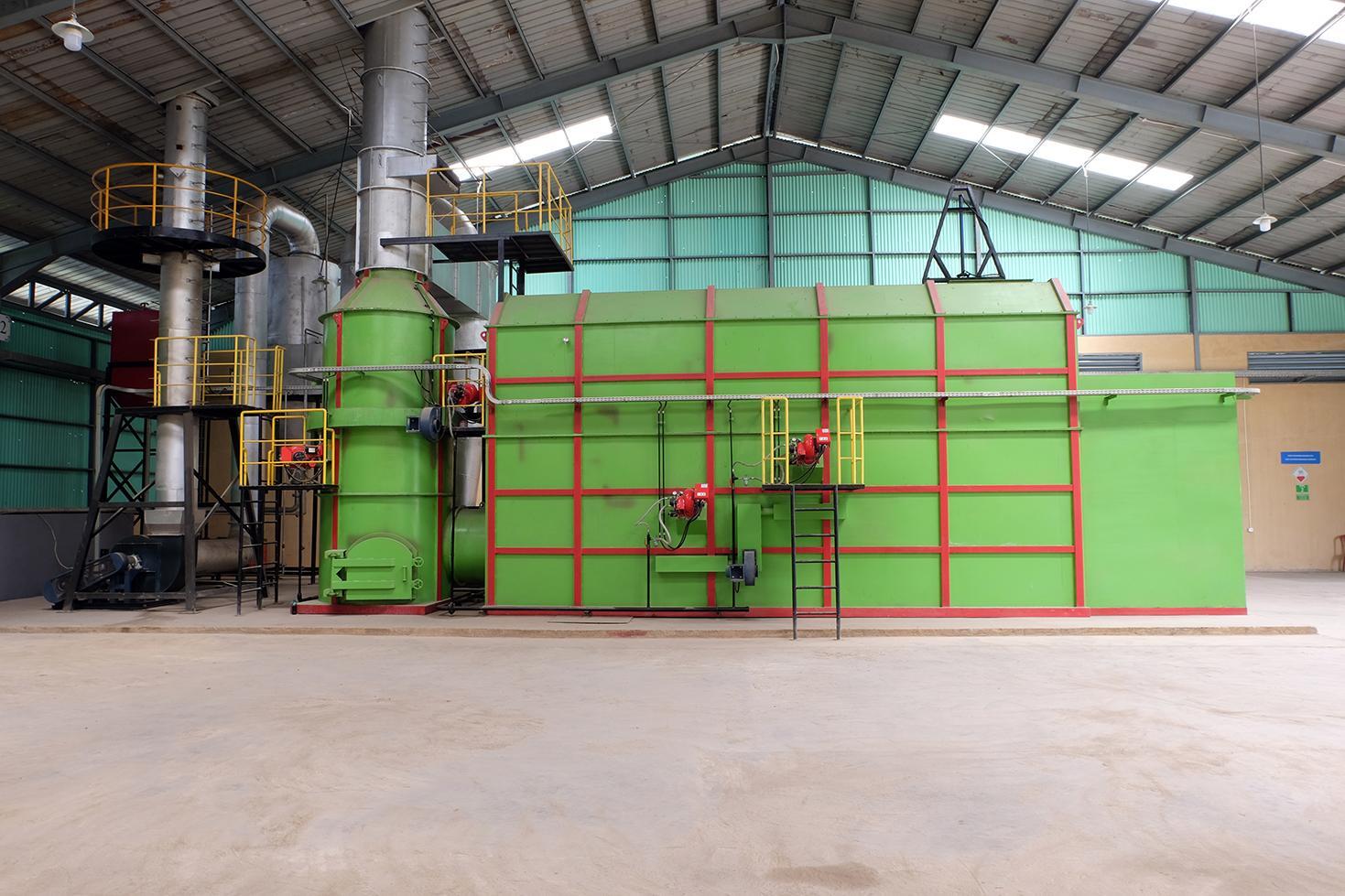
Indonesian law (PP 22/2021 and Permen LHK 6/2021/6) prioritizes reduction/reuse and requires any remaining B3 waste to undergo approved treatment—high‑temperature incineration, chemical neutralization (HF → calcium fluoride precipitant), solidification/stabilization, or permitted biological processes for organics (environesia.co.id). Only nonhazardous residues of these treatments may go to final disposal. Licensed B3 landfills (PBA B3) must have double liners, leachate collection, and groundwater monitoring for ash or sludge disposal (environesia.co.id); Indonesian rules explicitly demand impermeable liners and monitoring wells at any B3 landfill (environesia.co.id). Disposal by sea/ocean dumping or open burning is effectively banned.
Treatment units depend on accurate reagent control and monitoring. Facilities specify inline analytics (pH, conductivity) and lab analyses to confirm wastes meet treatment standards—pH neutral, heavy metals immobilized—before clearance to landfill, and they budget for treatment fees rather than landfilling raw streams. For dosing precision during neutralization, plants standardize on equipment such as an accurate chemical dosing pump, and build out the system with supporting equipment for water treatment as required by process design.
Industry practice and enforcement
Industry data show U.S. semiconductor firms treat more than 95% of acids before release; cluster analyses indicate most manufacturers neutralize about 98–99% of spent HNO₃ or HCl, releasing only about less than 1% after treatment (mdpi.com) (mdpi.com). In Indonesia, compliance is enforced by KLHK (the Ministry of Environment), and noncompliance can trigger heavy fines, license revocation, or criminal charges (environesia.co.id).
Capacity is expanding to meet obligations. PT Prasadha Pamunah Limbah Industri (PPLI), Indonesia’s largest B3 processor, recently installed a 50 ton/day incinerator with advanced flue‑gas controls meeting even EU standards (antaranews.com) (antaranews.com), raising total incineration capacity to over 800 tons/day of hazardous waste (antaranews.com). Such facilities ensure HF‑containing sludges or spent organic etchants can be thermally destroyed at industrial scale; large plants also deploy chemical neutralization units (e.g., lime reactors) and cement solidifiers.
Design planning and trend lines
A robust plan follows “source ↔ sink” traceability: design chemical storage rooms with full containment and hazardous segregation; contract only licensed transporters; and maintain relationships with accredited B3 waste processors. Regular audits by environmental authorities and reporting—yearly B3 manifests—are mandatory. Indonesia’s environmental agencies actively audit industries (environesia.co.id).
Data indicate proactive reduction and recycling are rewarded; in the U.S., leading fabs recycle large shares of etchant reagents, reducing virgin chemical purchases and waste fees (mdpi.com). “Green” etching methods are emerging—research has demonstrated sulfuric‑acid‑based etches that can replace HF for some metals (arxiv.org). Companies investing in on‑site recovery units and closed‑loop scrubbers both cut costs and pre‑empt tightening rules.
Key takeaways and compliance checklist
Etchant wastes must be tightly contained—ventilated tanks/rooms with bunds—and labeled; storage is time‑limited (90–365 days max) (environesia.co.id) (enviliance.com). Trained crews in full acid PPE must handle them, and transport in licensed vehicles with manifests (environesia.co.id) (environesia.co.id). All wastes must be pre‑treated—incinerated or neutralized; for example, more than 95% of HNO₃/HCl from fabs is typically neutralized (mdpi.com)—and only treated residues are landfilled with liners (environesia.co.id). Indonesia’s largest incinerator (PPLI) now processes 50 t/day, helping meet demand (antaranews.com).
These measures reduce environmental risk: cluster data show major fabs release less than 1% of their total HNO₃/HCl waste untreated (mdpi.com) (mdpi.com). Compliance is mandatory under KLHK regulations, notably Permen LHK 6/2021 and 12/2020 (environesia.co.id) (enviliance.com), with administrative and criminal sanctions for violations (environesia.co.id).
Sources and references
Sources: Cited data and regulations come from industry guidelines, environmental authorities, and academic studies. Notably, Indonesian Ministry of Environment Permen LHK No.12/2020 and 6/2021 (explained in industry summaries environesia.co.id) (environesia.co.id), global surveys of fab waste management (mdpi.com), and facility reports (PPLI press release) (antaranews.com). See in‑text citations for specific source lines.