

Article
Reducing Carbon Footprint in Water and Sewage Treatment
Water and sewage treatment is one of the key sectors in urban and industrial infrastructure. It plays an important role in cutting carbon emissions. The sector keeps public health and environmental hygiene. However, it also has great potential to contribute to greenhouse gas emissions. The processes usually need large amounts of energy and chemicals. Therefore water and waste treatment is an important area. Improving efficiency here and reducing the environmental impact can have a significant effect.
This article gives an overview of the sector’s role in reducing greenhouse gas emissions.
This article gives an insight into several aspects of the carbon footprint in water and sewage treatment. We will discuss how the industry contributes to carbon emissions. We will identify the challenges in reducing the carbon footprint. We will also look at the innovations that have been implemented and can be implemented. Through this discussion, we will understand how important every step is, both by companies and individuals, in reducing the carbon footprint and contributing to a more sustainable future.
The water and sewage treatment industry can be one of the leaders in the global effort to confront climate change. This needs a focus on sustainable and responsible ways of working. It is about meeting environmental regulations and standards. It is also about playing an active role in protecting our planet for current and future generations.
Understanding Carbon Footprint in Water and Sewage Treatment
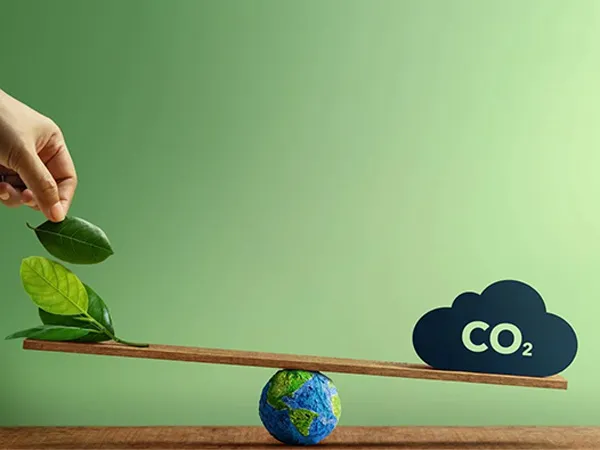
Carbon footprint refers to the total emissions of greenhouse gases, particularly carbon dioxide, produced by a particular activity or over the life cycle of a product. This concept has become important in measuring the environmental impact of several activities, including in the industrial sector. In the context of water and sewage treatment, carbon footprints are generated through many processes. These range from energy use in the operation of equipment to the chemical processes used in water purification and sewage treatment.
Running equipment such as pumps, blowers and filtration devices at water and sewage treatment plants uses a lot of energy. This energy usually comes from sources that produce carbon emissions, such as burning fossil fuels in power plants. Chemical processes used in water treatment, such as chlorination and ozonation, also add greenhouse gas emissions, both directly and indirectly.
The sewage treatment process itself needs a lot of energy, especially chlorination and ozonation.
Sewage treatment processes themselves, especially those that break down organic matter, are an important source of methane emissions. Methane has a much higher global warming potential than carbon dioxide. Sludge management is an important part of sewage treatment and also adds carbon emissions, especially if the sludge is disposed of without adequate treatment.
However, the water and sewage treatment sector also has great potential for climate change mitigation. For example, energy recovery from sewage treatment processes, such as biogas from anaerobic digestion of organic waste, can reduce reliance on energy sources that produce carbon emissions. Also, process optimization and energy-efficient technologies can reduce the energy needed in water and sewage treatment. Therefore they directly reduce the carbon footprint.
Understanding the carbon footprint in water and sewage treatment is important for evaluating and reducing the environmental impact of the sector. It also helps identify opportunities to improve sustainability and operational efficiency. By analyzing and understanding these sources of emissions, the water and sewage treatment industry can take strategic steps to reduce its carbon footprint and make a significant contribution to global efforts against climate change.
Challenges in Reducing Carbon Footprint
The water and sewage treatment industry faces a number of significant challenges in its efforts to reduce its carbon footprint. One of the main challenges is the reliance on high-energy technologies. Many of the water and sewage treatment plants running today were built decades ago with the technologies available at the time, and these were usually energy inefficient. Despite better technology, the move to more efficient systems is usually held back by the cost and difficulty of replacing or renewing existing infrastructure.
Also, it matters a lot whether the materials used to build water and sewage treatment plants can make them more energy efficient.
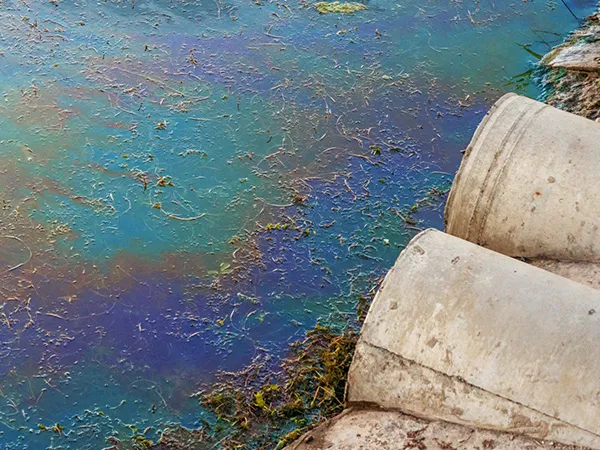
Also, treatment processes use chemicals, and these are usually not good for the environment. This makes it harder to reduce the carbon footprint. Many water and sewage treatment processes use chemicals for disinfection and purification. These chemicals need energy to produce, and they can also produce harmful by-products. Managing and disposing of these chemicals adds to the environmental burden.
The growing demand for clean water is another challenge. Population growth and industrial development push the demand for clean water up, and this in turn puts more burden on water treatment facilities. It takes more energy to meet this demand. It also makes the sewage problem worse, because larger volumes have to be treated and managed.
Then there is the challenge of keeping the water clean.
Then there is the challenge of treating sewage effectively. Poor waste handling harms the environment. It also misses chances to reduce the carbon footprint, for example through energy recovery. Many existing waste treatment systems are not built to get the most out of resource recovery, such as the energy that can be obtained from organic waste.
Also, climate change itself brings more problems. Extreme weather such as floods and droughts can affect how water and sewage treatment plants run. It usually takes more energy and resources to keep operations stable and safe.
Climate change itself poses additional challenges.
To address these challenges, we need investment in research and development of new technologies, policies that support the move to more sustainable methods, and collaboration between many stakeholders. For example, partnerships between the public and private sectors can be important for speeding up the adoption of more efficient and sustainable technologies.
Innovative Solutions in Industry
To reduce the carbon footprint, the water and waste treatment industry has started to adopt a number of innovations and new approaches. One important area of innovation is the use of energy-efficient technologies. Modern plants use more and more pumps and equipment designed for maximum energy efficiency. Variable speed pumps and energy recovery systems have been shown to reduce energy consumption by a large amount.
Waste treatment that produces renewable energy is now a major focus in reducing carbon footprints. Anaerobic digestion reduces the volume of waste and also produces biogas, which can be used as an energy source. Sewage treatment plants that use this process depend less on conventional energy and also get an environmentally friendly energy source.
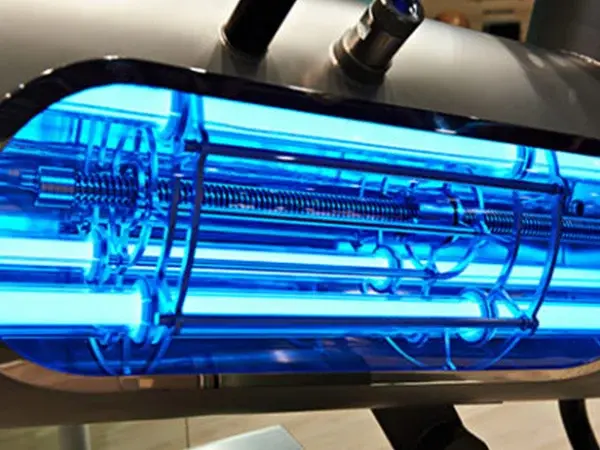
More environmentally friendly chemicals are also an important part of this. Chemistry has produced chemicals that work better and have less negative impact on the environment. For example, ozone or ultraviolet for water disinfection is becoming a popular alternative to chlorination, which can produce harmful byproducts.
We also use better ways to disinfect water. This is becoming an important part of the work.
Better technology also matters for running the plant well and using less energy. This includes automation systems and smart controls. With automation, a treatment plant can run at its best, waste less energy and adjust its operation to what it actually needs. Smart control systems also let the plant monitor and manage the process as it happens. Therefore problems are easier to find and fix before they get bigger.
Innovation also includes the development and use of new, more sustainable materials in the construction of treatment plants. These materials last longer and also have a lower environmental impact during production and construction of the plant.
Other approaches are increasingly gaining traction.
Another approach that is getting more attention is the integration of water and sewage treatment systems with green infrastructure. For example, artificial wetlands or natural infiltration systems help in the treatment process and also improve the quality of the surrounding environment.
These new innovations and approaches last longer and also have a lower environmental impact during production and construction of the plant.
These innovations and new approaches reduce the carbon footprint. They also help the water and sewage treatment industry become more sustainable and efficient. If the industry keeps exploring and using these methods, it can do its part against climate change and keep the ecological balance of our planet.
The Role of Advanced Technology
New technologies are important for reducing the carbon footprint in the water and sewage treatment sector. New technology has made it possible to manage and reduce carbon emissions more efficiently and more effectively.
Anaerobic methods in wastewater treatment are one of the best examples where new technology can make a big difference. The process breaks down organic matter without oxygen and produces biogas that can be used as a renewable energy source. This technology reduces carbon emissions and also generates energy that can be used to run the facility or sold back to the grid.
Smart sensors that monitor and optimise energy use are another important development. These sensors give real-time data on how the facility runs, so managers can make the changes they need to improve efficiency. By monitoring everything from water flow to energy consumption, a facility can cut waste and run as energy-efficiently as possible.
New filtration technology lets facilities optimise their energy use.
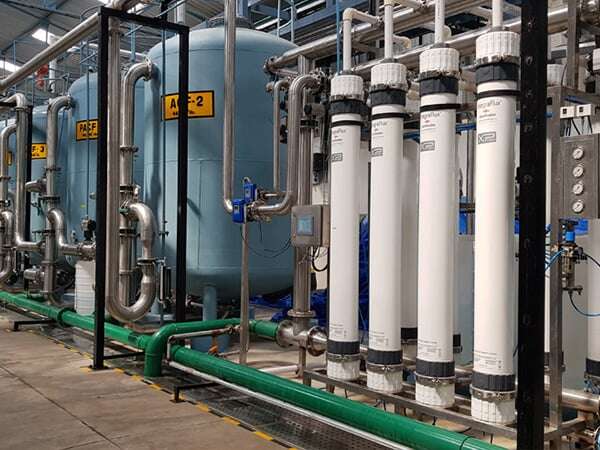
New filtration and purification technologies have also made important contributions. Ultrafiltration, nanofiltration and reverse osmosis treat water and waste with higher energy efficiency than conventional methods. These technologies cut energy consumption and also improve the quality of the water produced, which helps meet stricter environmental standards.
Remote monitoring and automation technologies also play an important role in reducing carbon footprints. They allow remote supervision and control of facilities, so resources can be used better. This reduces the need for travel and for human intervention that is usually inefficient.
Remote monitoring and automation also play an important role in reducing carbon footprints.
Finally, new materials and more sustainable construction processes for processing facilities also matter. Materials that use less energy and have a lower environmental impact when manufactured, used in new facilities or in the renovation of existing ones, can reduce the overall carbon footprint of water and sewage treatment infrastructure quite a lot.
When these technologies are used to build new facilities or to renovate existing ones, they can reduce the overall carbon footprint of water and sewage treatment infrastructure.
These technologies help reduce the carbon footprint. If we apply them effectively, they also improve the overall efficiency and effectiveness of water and sewage treatment plants. The water and sewage treatment industry can play an important role in global efforts to reduce the impact of climate change. It can do this by continuing to adopt and integrate these new technologies.

Benefits of Reducing Carbon Footprint
Reducing the carbon footprint in water and sewage treatment has many benefits. They cover environmental, economic and social aspects.
From an environmental standpoint, reducing the carbon footprint directly reduces greenhouse gas emissions. These emissions are a major factor in climate change. By reducing them, water and sewage treatment plants can help slow global warming and its impacts, such as changing weather patterns, rising sea levels and habitat destruction. Sustainable practices and pollution reduction also help maintain local ecosystems and biodiversity.
Economically, more efficient technologies and more sustainable operational methods can give significant cost savings. Energy efficiency reduces electricity bills. Operational efficiency can reduce maintenance and repair costs. Also, some technologies, such as biogas treatment, can create an additional source of revenue through the sale of generated energy to the grid. In the long run, investments in sustainable technologies usually yield savings that exceed initial costs.
Social benefits are also an important aspect of reducing the carbon footprint. Better water quality from more efficient water treatment facilities means cleaner and safer water for communities. This directly affects public health. It reduces the risk of water-related diseases and improves quality of life. Also, the construction of more sustainable facilities usually creates new jobs and can raise public awareness about the importance of sustainability and environmental preservation.
Reducing the carbon footprint also supports global policies and goals, such as the UN Sustainable Development Goals. Water and sewage treatment facilities that work towards these goals show leadership in the global effort to build a more sustainable and fair future for all.
Conclusion
Reducing the carbon footprint in water and sewage treatment needs effort from many sides and constant improvement. We have seen that new technologies, efficient practices and a commitment to sustainable development can take us a long way towards a greener and healthier future.
It is not just about new technologies, efficient practices and a commitment to sustainable development.
It is not just about new technologies or changing some operational processes. It is about a new way of working in the water and sewage treatment industry, where sustainability is at the core of every decision and every innovation. Every step towards a lower carbon footprint helps protect the environment. It also brings economic and social benefits that reach far.
We have seen how small changes can have a big impact when many people make them and keep making them. From the use of renewable energy to process optimisation, each effort contributes to a larger goal. The water and sewage treatment industry plays a role in this, and so does society as a whole. Public awareness and participation in sustainable practices are important to drive greater change.
Going forward, the challenges will remain, but so will the opportunities. If the water and sewage treatment industry keeps exploring and implementing new ideas, it can continue to lead the way in environmental protection. It is an ongoing journey, and every step taken is part of a larger process of transformation towards a more sustainable world.
Science, technology and innovation together can keep the water and sewage treatment industry leading the way in environmental protection.
Science, technology, policy and community initiatives together let us continue this journey with hope and determination. The end goal is water and waste treatment systems that work well and are also good for the environment and sustainable. That brings long-term benefits to our planet and to the generations to come.