

Article
Optimizing Efficiency with Condensate Polishing
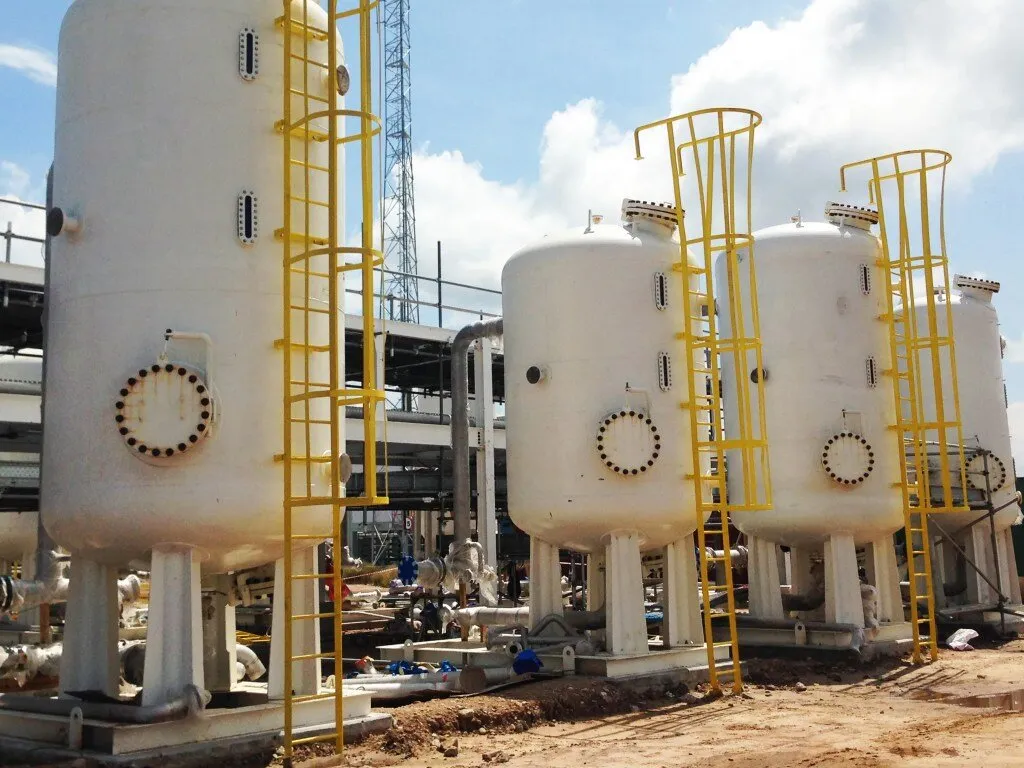
In industry today, running costs and environmental rules both affect how well a company does. Condensate polishing helps with both. It is an important process in water and waste treatment, especially for industries that use boilers. The process cleans the condensate that comes back from used steam, so the water can go back into the system. This saves water. It also keeps the boilers and other equipment running well and lasting longer.
New developments in condensate polishing use better filter media and automatic control systems. These help with the problems that specific industries face. With these technologies, companies can keep the condensate quality steady, reduce maintenance and repair, and support their operational and environmental targets.
With condensate polishing, industries can improve their operational efficiency and reliability. They also help the global effort to build a more sustainable future. The process shows how technology can support good industrial performance and still keep the planet healthy.
Why Condensate Polishing is Important for Industry?
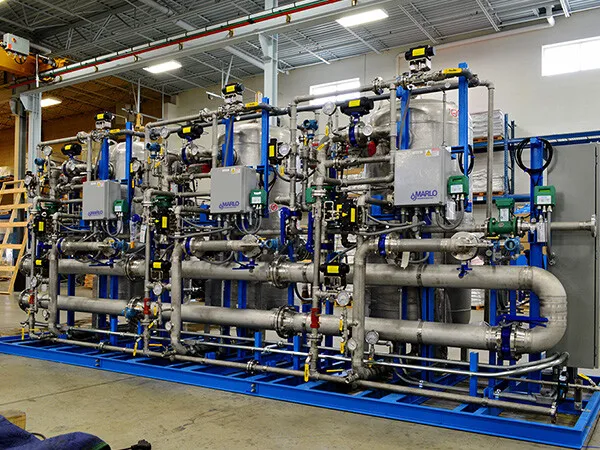
Energy efficiency is one of the biggest challenges in modern industry. Boilers and steam systems are important in many industrial operations, from energy production to manufacturing. If the condensate water from these processes is not managed properly, it can cause problems, including corrosion and mineral buildup. These reduce the efficiency and the working life of the equipment. Condensate polishing solves this problem. It filters out contaminants from the condensate water, so the water can be reused with less risk.
Condensate Polishing does more than keep equipment efficient. It also has a large effect on operational costs and on environmental sustainability. It reduces the need for raw water and for energy to heat the water, so companies can save a lot on cost. It also reduces the use of chemicals in water treatment. Therefore the risk of environmental pollution is lower, which fits the environmental regulations that keep getting stricter around the world.
In economic terms, “Condensate Polishing” helps industries avoid financial losses from downtime and repairs after equipment breakdowns. For example, in the power generation industry, boiler reliability and efficiency are important for smooth operations. If a disruption means the plant cannot meet electricity demand, the losses can be huge, in money and in reputation. Good condensate water quality means “Condensate Polishing” directly supports the reliability of energy production.
This technique also gives a way to run greener operations. Industries now need to work in a more environmentally friendly way. Being able to reduce the carbon footprint and the use of natural resources is very important. Condensate Polishing helps reach this goal. It lets companies use water and energy more efficiently and make less waste.
Basic Principles of Condensate Polishing
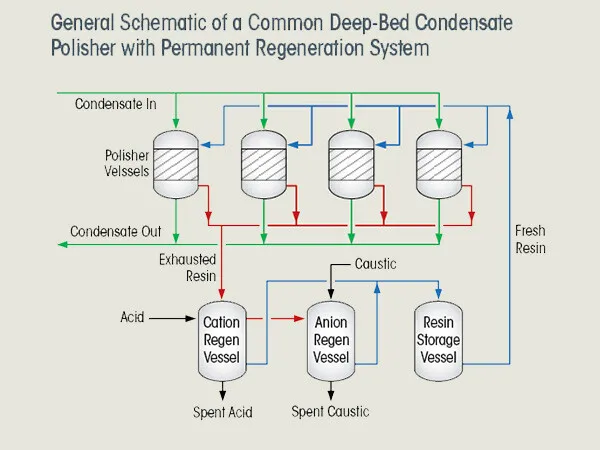
You need to understand how “Condensate Polishing” works before you can implement it effectively. The process has several important steps that remove contaminants from the condensate water, including metal ions, minerals and other particles that could harm the boiler system and related equipment. “Condensate Polishing” uses special filter media, such as ion exchange resins, to attract and hold these contaminants. Therefore the treated water is cleaner and ready for reuse in the system. The main components are a filtration unit, an ion exchange tank and a control system that keeps the process optimised.
The units used in power plants and high-pressure industrial boilers, and the design data we need before a quotation, are set out on our condensate polisher page. The feedwater chemistry side is covered under boiler water treatment.
The “Condensate Polishing” process targets several contaminants. These include metal ions such as iron and copper, and minerals such as calcium and magnesium that cause water hardness. Fine particles and microorganisms carried in the condensate are also a focus, because they cause biological problems in the system. Ion exchange resins work very well in this process. They bind specific ions selectively by charge and size, so contaminants are removed to a very high degree of cleanliness.
Also, advances in technology have made water purification systems more efficient.
Also, new technology in “Condensate Polishing” has brought in more automated and intelligent systems. These systems can adjust the filtration process to the input condensate quality and the output water quality you need. They have sensors and intelligent controllers that monitor the operating conditions continuously and adjust in real time to get the most out of the treatment. This makes “Condensate Polishing” more effective and also reduces the workload for operations and maintenance.
Benefits of Condensate Polishing for Companies
Energy efficiency and cost savings are the two main benefits of “Condensate Polishing”. The plant needs less new water, and there is less risk of equipment damage from contaminants. Therefore companies can run their systems more economically and efficiently. These efforts also help protect the environment, because water is used more efficiently and less waste goes out to the environment. Better operational reliability is also a big benefit. Cleaner systems mean less downtime and higher productivity.
Also, “Condensate Polishing” helps companies meet strict water quality standards. Industry and environmental regulators usually set these standards. When the condensate water that returns to the system is free of harmful contaminants, companies can avoid fines or sanctions for breaking emission limits. This strengthens the company’s compliance with regulations. It also improves the company’s image with regulators, customers and the public.
The long-term benefits of these technologies are not limited to the financial and operational side. They also affect the sustainability and reputation of the company. A company that shows it uses resources efficiently and protects the environment builds a positive image as a socially responsible entity. This matters more now, because consumers and investors look at sustainability practices when they choose who to do business with or invest in.
“Condensate Polishing” is an important technology. It supports operational efficiency and environmental sustainability in modern industry. The benefits include energy efficiency, cost savings, environmental protection and better operational reliability. Therefore many companies choose this technique to improve their operational performance and sustainability. With proper adoption and implementation, “Condensate Polishing” can contribute a lot to a company’s success and competitiveness in the long run.
Beta Pramesti Asia offers Condensate Polishing systems built to meet the specific needs of your industry. We have years of experience and deep technical expertise. We help companies improve efficiency, reduce operational costs and reach their sustainability goals. Our Condensate Polishing products are built to give reliable performance and optimized results, so you get the most value out of your investment.
If you want to learn more about how Condensate Polishing from Beta Pramesti Asia can help your business operations and sustainability, please contact us. Our team is ready to give a consultation, show the benefits of our technology and help you find the setup that best suits your company’s needs. Contact us via Whatsapp or e-mail for more information.