

Industry: Fertilizer_(Ammonia_&_Urea) | Process: Synthesis_Gas_Production
Run a primary reformer just a little too hot and the most expensive pieces in the firebox start aging in dog years. Reformer catalyst tubes — the vertical pipes that turn natural gas and steam into synthesis gas (syngas; chiefly H₂ and CO) — work at ≥900°C and high pressure, where creep (time‑dependent deformation at high temperature) and corrosion dictate everything. Under normal design conditions these tubes are rated for ~100,000 hours of service (heat-exchanger-world.com), but continuous operation just ~20°C above design can halve that lifespan (heat-exchanger-world.com).
That is why nearly all new reformer tubes are centrifugally cast from Ni–Cr–Fe alloys with ~20–25% chromium and often 30–50% nickel — high Cr for oxidation resistance around ~1000°C, high Ni to stabilize an austenitic matrix for creep strength (studylib.net) (studylib.net).
The economics sharpen the focus. For a typical 1500‑ton/day ammonia plant, the reformer furnace is ≈20% of capex, and the tubes/outlet parts alone run on the order of $10 million (studylib.net).
Centrifugal casting and alloy selection
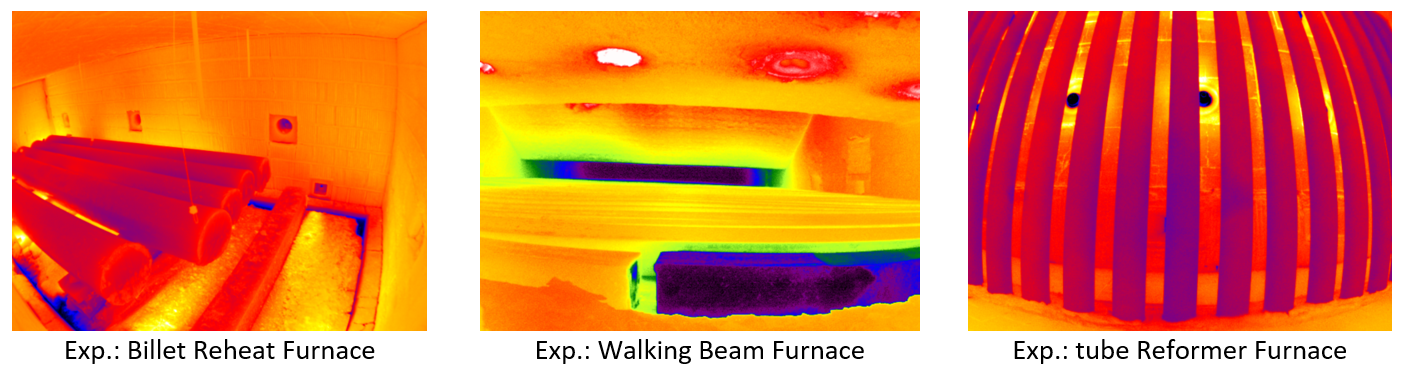
In practice, reformer tubes are centrifugally cast: the mold spins while molten alloy solidifies, flinging impurities outward. After casting, the central bore is pull‑bored (machined) to remove porosity, yielding concentric tubes with coarse grains — a microstructure that improves creep strength (studylib.net) (studylib.net). Modern cast alloys carry ≥0.4% carbon, which means they cannot be hot‑worked; centrifugal casting is the only practical production method (studylib.net).
Alloys such as HK40 (≈20%Cr–35%Ni, high‑C) and HP grades (≈25–35%Cr–35–50%Ni, often with niobium) dominate. Micro‑alloyed variants with Nb/Ti form fine MC carbides that block dislocations, boosting creep rupture strength by ~15–20% (studylib.net). One example: modern HP‑LC MA tubes achieve ~13.6 MPa 10‑hour rupture strength at 950°C versus ~5.5 MPa for standard Alloy 800HT (32Ni–20Cr) (studylib.net). The upshot — higher Ni/Cr plus fine carbides equals much greater high‑temperature strength — lets reformers run hotter or thinner: micro‑alloys enable higher furnace temperatures and pressures, thinner tube walls (less fuel), and more catalyst per vessel (heat-exchanger-world.com).
There is field evidence too: a leading European chemical plant switching to centrifugally cast high‑alloy tubes cut failures by ~40% (pmarketresearch.com). Since the 1960s these cast alloys have become nearly universal in new reformers (studylib.net).
High‑temperature creep and corrosion mechanisms
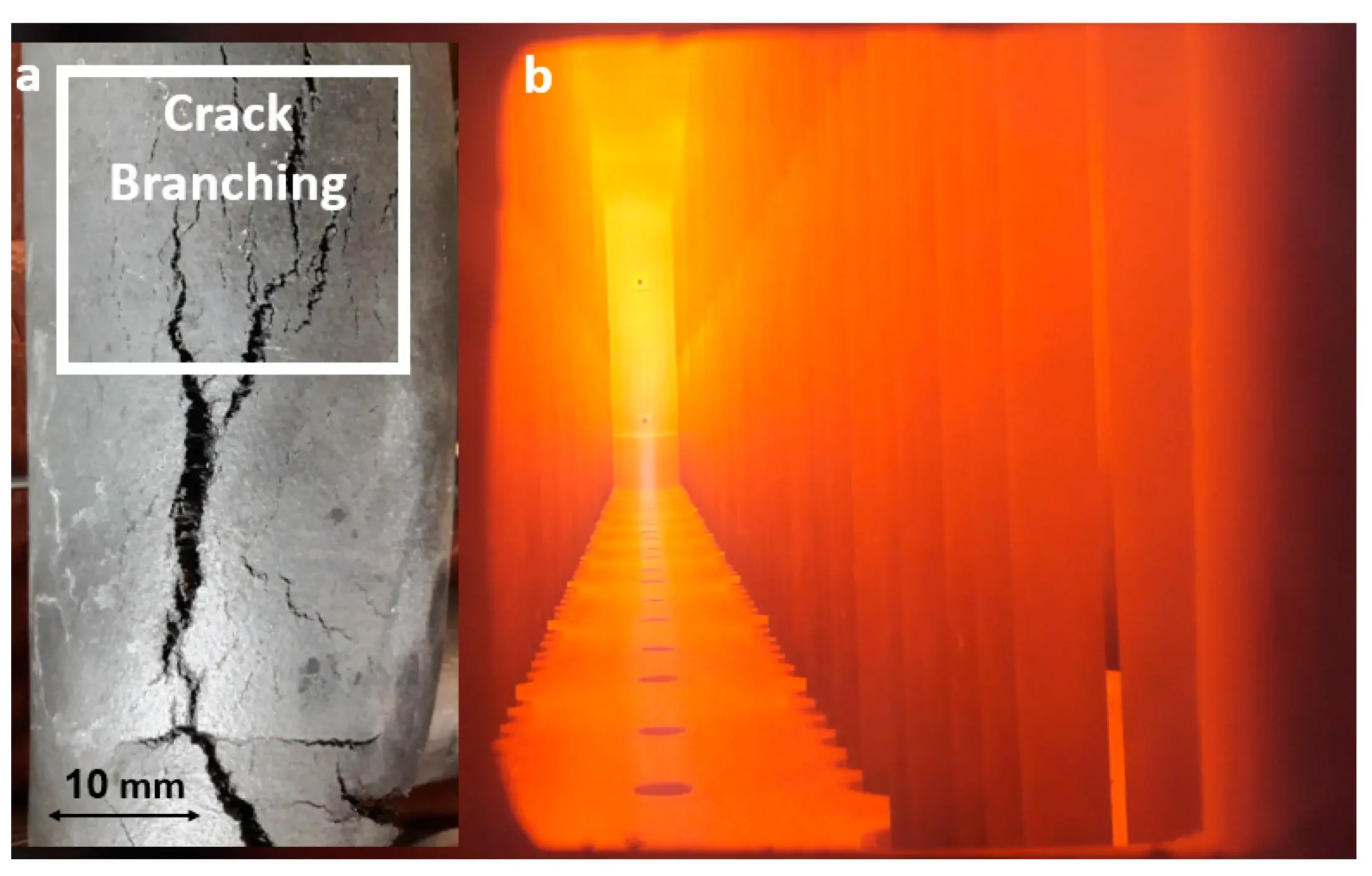
Nickel–chrome alloys are chosen to resist both creep and harsh chemistry. Around ~25% Cr forms a protective Cr₂O₃ scale, slowing high‑temperature oxidation and “metal dusting” (carbon attack on metal surfaces), while higher Cr also helps prevent carburization by syngas (heat-exchanger-world.com). High Ni keeps the tubes fully austenitic and resists phase embrittlement. Strong carbide formers (Nb/Ti/Zr) precipitate NbC/MC particles that pin dislocations, raising creep rupture life; adding Nb alone raised 100k‑hour rupture stress by ~15% in reported data (studylib.net).
Modern “HP‑micro” alloys (≈25–35%Cr, 37–50%Ni plus Nb/Ti) exceed older HK40 grades; in lab tests at 850–950°C, these micro‑alloys sustain ~1.5–2× higher stress than conventional Incoloy 800 variants (studylib.net), allowing thinner tubes or longer life. These alloys must also survive steam and CO₂ corrosion; small Si or Mn additions can improve scale adhesion. Reports note silica‑rich, Cr‑rich protective scales yielding excellent resistance to metal dusting and carburization (heat-exchanger-world.com).
For context, elevated‑temperature creep is generally the dominant damage mode — creep cavities form on the ID (inner diameter) under stress (heat-exchanger-world.com) — but corrosion and scaling can accelerate creep locally. Specifications reference ASME/API standards (e.g., Incoloy 800HT or HK40 equivalents), sometimes with proprietary chemistries, and designers often avoid dissimilar welding (Ni‑alloy to ferritic steel) that can cause galvanic corrosion or brittle phases at the weld (studylib.net).
Operation and life expectancy (API 530 basis)
Tube wall thickness is computed per API 530/API 530 (heater‑tube code) using 100k‑hour rupture stress, and some operators develop company‑specific creep curves for newer alloys not yet in the code (heat-exchanger-world.com). Even so, lifespan is extremely sensitive to temperature; in thermography practice, a 50°C over‑temperature is often treated as roughly a ~50% loss of life (irinfo.org).
Typical reformer tubes are ~3–4‑inch OD with several feet of active length, stacked in rows. They see cyclic thermal stress on startup/shutdown and constant internal steam pressure. The primary damage is the combination of wall thermal gradient plus pressure, which causes thin‑cavity creep on the hot inner surface and gradual diameter increase (heat-exchanger-world.com). Two failure patterns occur in practice: uniform creep around most of the tube (a long bulge, then longitudinal split) and localized hot‑spot creep from flame impingement or catalyst failure (a sharp bulge and split) (heat-exchanger-world.com) (heat-exchanger-world.com). Other risks at lower‑temperature zones (<800°C) include metal dusting by CO/CO₂ and internal carburization (studylib.net).
Inspection and monitoring program (IR, UT, ECT)
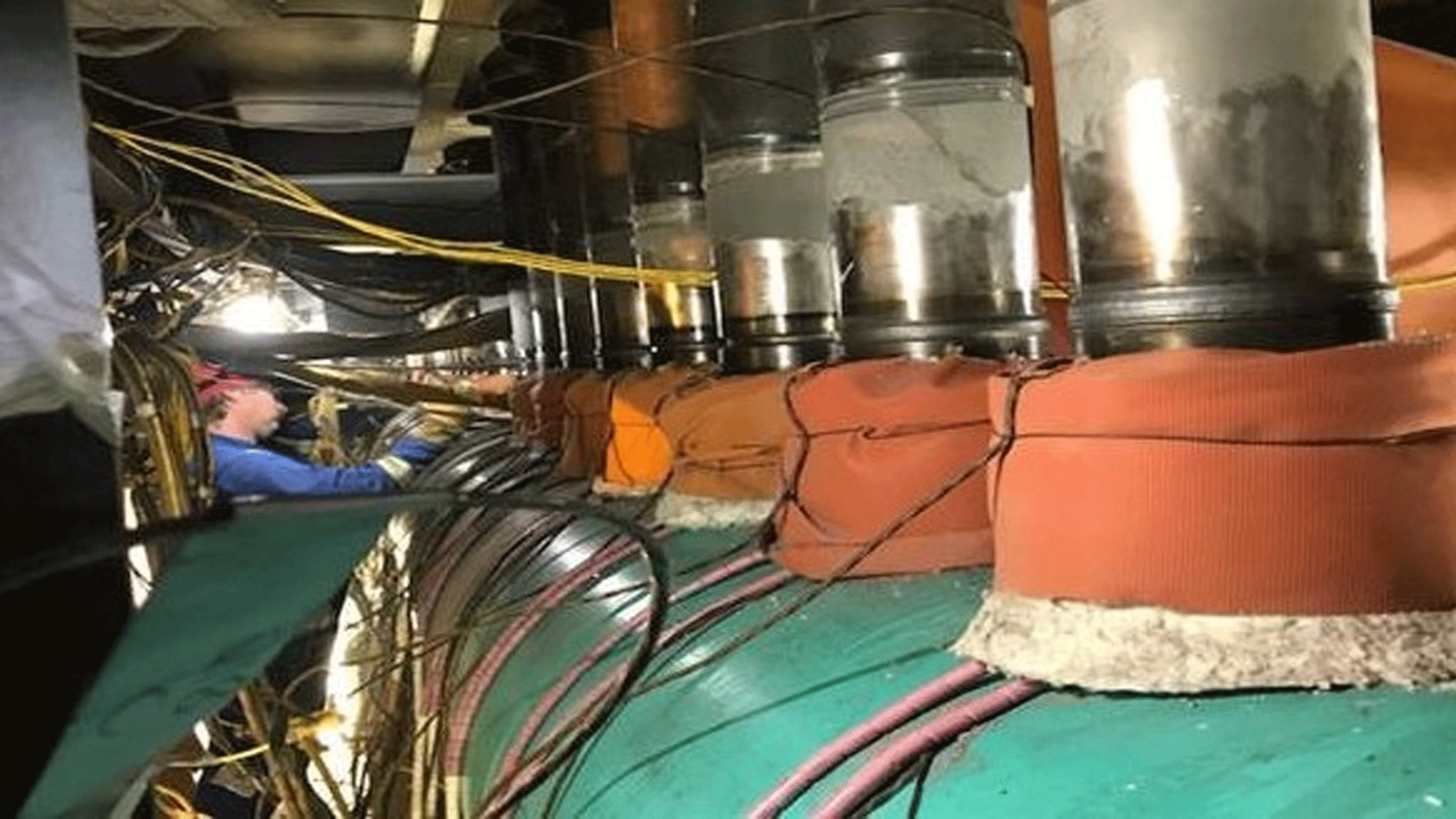
Because tubes are safety‑critical and expensive, regular inspection and monitoring are mandatory. Plants use online monitoring and offline non‑destructive examination (NDE). Online, infrared thermography (IR; imaging heat signatures) quickly reveals hot spots that signal flame impingement, burner maldistribution, gas‑flow restrictions, external scaling, or even leaking gas flames (irinfo.org). Surveys look for localized overheating (“tiger spots”) that often precede failure; tube leaks in service can show up as a cold band on adjacent tubes or unexpected afterburn flame patterns (irinfo.org).
Operators routinely trend tube‑spot temperatures with handheld infrared pyrometers (single‑point devices). With correct technique and calibration, these give repeatable trends; a calibrated gold‑cup pyrometer (a contact device designed to eliminate reflectance errors) is often used as the absolute reference (irinfo.org) (heat-exchanger-world.com). Key practices include regular trending of tube skin temperatures (e.g., at peep ports), maintaining separate records for different instruments, and immediate action on any unexplained rise (heat-exchanger-world.com).
Support and expansion monitoring matter as well: tube suspension springs or hangers must have sufficient travel so tubes can expand freely; “cold” and “hot” positions are flagged and inspected, because seized supports can induce bending stresses (heat-exchanger-world.com). A tube growth monitor (TGM; measures axial displacement) can alarm on sustained over‑temperature across all tubes — though it may miss localized hot bands that don’t appreciably lengthen an entire tube (heat-exchanger-world.com). Periodic in‑situ IR camera surveys should cover each tube row to flag any tube running unusually hot.
Offline during turnarounds, no single test is foolproof, so a combination is applied (heat-exchanger-world.com): visual inspection and dye‑penetrant for surface cracks; ultrasonic (UT) thickness for thinning along the full length; eddy‑current testing (ECT) with 360° scanning to detect circumferential cracks or ID damage (systems like “RPS 360” sweep coils up the tube to catch cracks, intergy.org); radiography for weld joints; and laser profilometry for ovality/bulging. Best practice is risk‑based inspection (RBI; inspection frequency set by risk): tubes approaching design life or showing early damage get more frequent checks, e.g., twice during a turnaround (heat-exchanger-world.com).
Overheating and damage indicators
Overheating shows up as localized red‑hot spots on thermal images, abnormal furnace flue‑gas patterns, or spikes in tube metal temperature logs. A ~20°C excess beyond design can halve tube life (heat-exchanger-world.com), and IR thermographers caution that a 50°C rise roughly implies ~50% loss of life (irinfo.org). Sustained anomalies — even <10°C — are cause for action such as drift correction, burner tuning, or taking a tube offline.
Physical damage like cracks or thinning is a red flag; findings such as hot‑circumferential creep rippling (“crocodile‑skin” effect) or ID cavities are grounds for early retirement. Some plants use “reformer tube plugging” to take leaking tubes out of service without a shutdown. In one case, an IR check found a tube leak (via its cold‑adjacent effect and afterburning), and crews sealed it online without stopping the unit — “No downtime and no failures” (irinfo.org), saving weeks of downtime.
Performance and economics
Inspection data shows the payoff of high‑quality tubes and monitoring: chemical plants report fewer failures after adopting advanced cast alloys (pmarketresearch.com). Globally, demand for such tubes is growing with hydrogen/ammonia markets and stricter regulations (pmarketresearch.com) (pmarketresearch.com). The use of micro‑alloyed Ni–Cr tubes in new furnaces is now standard, and best‑in‑class units boast runs over 10–12 years for primary reformers between major turnarounds. One study found that cast Ni–Cr tubes have ~40% lower failure rates than older wrought or lower‑alloy tubes under similar duty (pmarketresearch.com).
Advanced tubes cost more upfront due to alloying and casting complexity, but thinner, higher‑strength assemblies reduce fuel burn (less wall), while extended life or higher‑temperature operation increases NH₃ or CO output. Combined IR surveillance and predictive maintenance (trending, TGM, UT) have been shown to cut outage plans. The industry consensus: regular inspection is not optional; continuous monitoring of reformer tube condition is now a standard part of process safety management.
Key takeaways for operation
Choose centrifugal‑cast 25%Cr–Ni alloys (HK/HP grades or better), ideally micro‑alloyed, to handle >1000°C radiative duty; run a strict inspection regimen (frequent IR/digital thermometry plus turnaround NDE), log all data, and act on any excursions. Failure mechanisms are well known — creep from overheating is predominant — and early diagnosis via thermal and ultrasonic methods can reliably forestall leaks or bursts (heat-exchanger-world.com) (heat-exchanger-world.com).
Sources and methodology
Authoritative data and recommendations are drawn from industrial symposia and engineering publications (studylib.net) (heat-exchanger-world.com) (studylib.net) (irinfo.org), as well as industry reports on technology and market trends (pmarketresearch.com) (pmarketresearch.com). These include peer‑reviewed conference papers on tube metallurgy and life assessment, a 2021 SABIC technical article on reformer tube integrity, and a 2008 IR inspection case study, among others (full references below).