

Industry: Brewery | Process: Bottling_&_Kegging
Call it the kill zone. Bottling, kegging and packaging are critical control points where any microbial contamination can spoil beer or cider. Beer spoilage organisms such as Lactobacillus, Pediococcus, Pectinatus and wild yeasts produce off‑flavors, turbidity and reduced shelf life (www.hygiena.com) (www.hygiena.com). Surveys of craft brewers found spoilage bacteria in ~21% of finished beers (www.researchgate.net). And a U.S. brewery’s 2016 Lactobacillus outbreak is a reminder of the cost of failure (www.hygiena.com).
The fix is unglamorous and non‑negotiable: sanitize every product‑contact surface in the filler, rinser, capper, conveyors and keg washer. Indonesian food safety guidelines likewise stress that sanitation aims to eliminate contaminants in processing equipment and prevent recontamination (akhmadawaludin.web.ugm.ac.id). As a side note, Indonesian “air pendingin kaleng” (canned product cooling water) must be disinfected to potable standards (akhmadawaludin.web.ugm.ac.id).
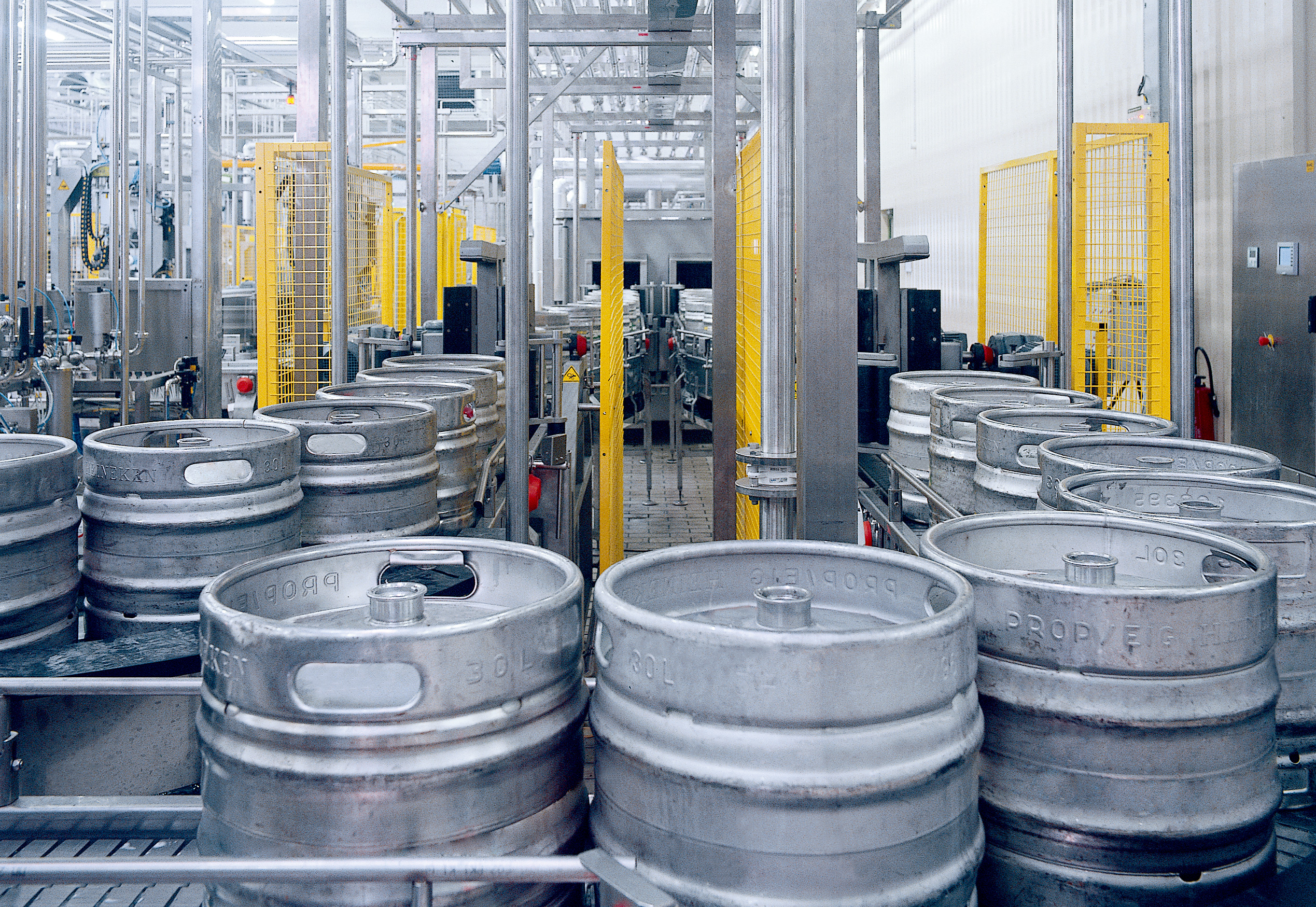
In practice this means comprehensive cleaning—clean‑in‑place (CIP) or manual—followed by a broad‑spectrum sanitizer on every surface (e.g., bottle nozzles, filling valves, crowners, keg seals) that contacts beer. Without such measures, stray yeast and bacteria form biofilms or survive to taint the next batch (www.hygiena.com) (academicjournals.org).
No‑rinse oxidizers for packaging lines
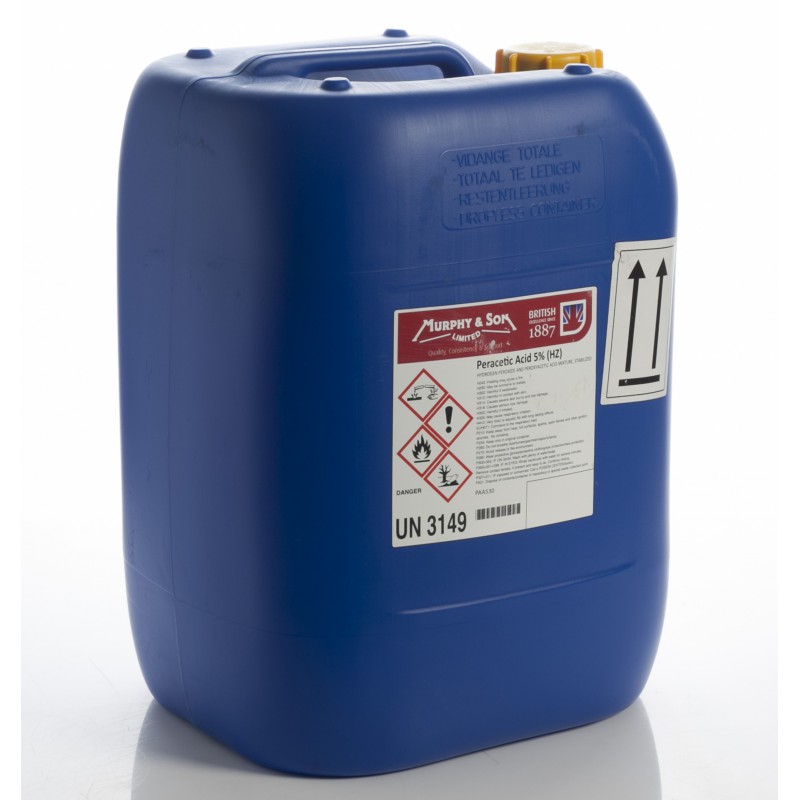
Probiotic cleaning in packaging typically uses oxidizing, no‑rinse sanitizers that kill microbes without leaving toxic residues. Peracetic acid (PAA, a mixture of hydrogen peroxide and acetic acid) generates reactive oxygen radicals; it is active in the presence of organics and across a broad pH, and breaks down into water, acetic acid and oxygen (www.awri.com.au) (www.kersia.uk).
Typical commercial PAA concentrates are 5–15% active; diluted use rates are often 0.1–0.4% (about 50–200 ppm PAA) (www.awri.com.au) (www.kersia.uk). At these levels it is labeled “no‑rinse” because it rapidly dissipates, requiring no separate water flush (www.awri.com.au). For brewery packaging, a final CIP sanitization often uses on the order of 0.5–1% v/v of a 5% PAA stock (giving ~50–100 ppm) for 5–10 minutes (www.awri.com.au) (academicjournals.org), with ≥3‑log (99.9%) surface kill reported (www.awri.com.au). A UK study of microbreweries recommends a post‑rinse acid cycle using 1% v/v of 5% PAA (≈50 ppm) for ≥10 min to ensure sterility (academicjournals.org).
Chlorine dioxide (ClO₂, often in stabilized “Oxine” formulations) offers very broad antimicrobial action at low doses and does not chlorinate organics into halogenated by‑products (www.kersia.uk) (www.bio-cide.com). It is approved for potable water and as a surface sanitizer; typical application rates are on the order of 5–15 mg/L (ppm) (www.kersia.uk).
In brewery CIP systems, stabilized ClO₂ is often injected at ~50–200 ppm (commonly 100 ppm) as a terminal sanitizer (www.bio-cide.com), a setup that aligns with accurate chemical dosing (dosing pumps). It kills bacteria, yeasts, viruses and biofilms fast, then degrades into oxygen and chlorite. Industry reports confirm its broad use: Klebsiella integration (Oxine) is mandated in USDA foods and is effective in brewery CIP (www.bio-cide.com).
Online case studies highlight ClO₂ use in packaging: a Canadian brewery sprays acidified chlorite‑generated ClO₂ in the can‑rinser and lid seamer, keeping cans free of contaminants with no taste or odor imparted (globalfoodsafetyresource.com). ClO₂ is also used in looped rinse waters for pasteurizers or conveyors to prevent biofilms (www.bio-cide.com) (www.bio-cide.com). Bio‑Cide (Oxine) literature reports that 20–100 ppm ClO₂ consistently achieves multi‑log reductions; for example, 20 ppm ClO₂ in conveyor lube lines yielded ~2–3 log drop in microbial counts (www.bio-cide.com).
Sanitizer selection and compatibility
Breweries often rotate or combine PAA and stabilized ClO₂ for broad coverage. PAA is highly active against organics and spores and is non‑corrosive to most metals (except soft alloys) (www.awri.com.au). ClO₂ has the advantage of extremely low organic interaction and no chlorophenol taints (www.kersia.uk). Manufacturers typically advise, depending on equipment design, around 50–100 ppm for 5–10 minutes of line sanitization.
Equipment made of stainless steel, rubber and plastic compatible with oxidizers should be used, and materials like copper or brass (which can catalyze ClO₂) should be rinsed or avoided. Hygienic builds in food plants frequently specify stainless components such as 316L stainless steel housings in product‑contact filtration (SS cartridge housings). After using PAA or ClO₂ sanitizers, no water rinse is needed; the residual oxidant quickly decomposes. It is still prudent to run a final sterile‑water rinse or purge after CIP to remove any chemical residues before filling.
Validated cleaning sequences (CIP and manual)
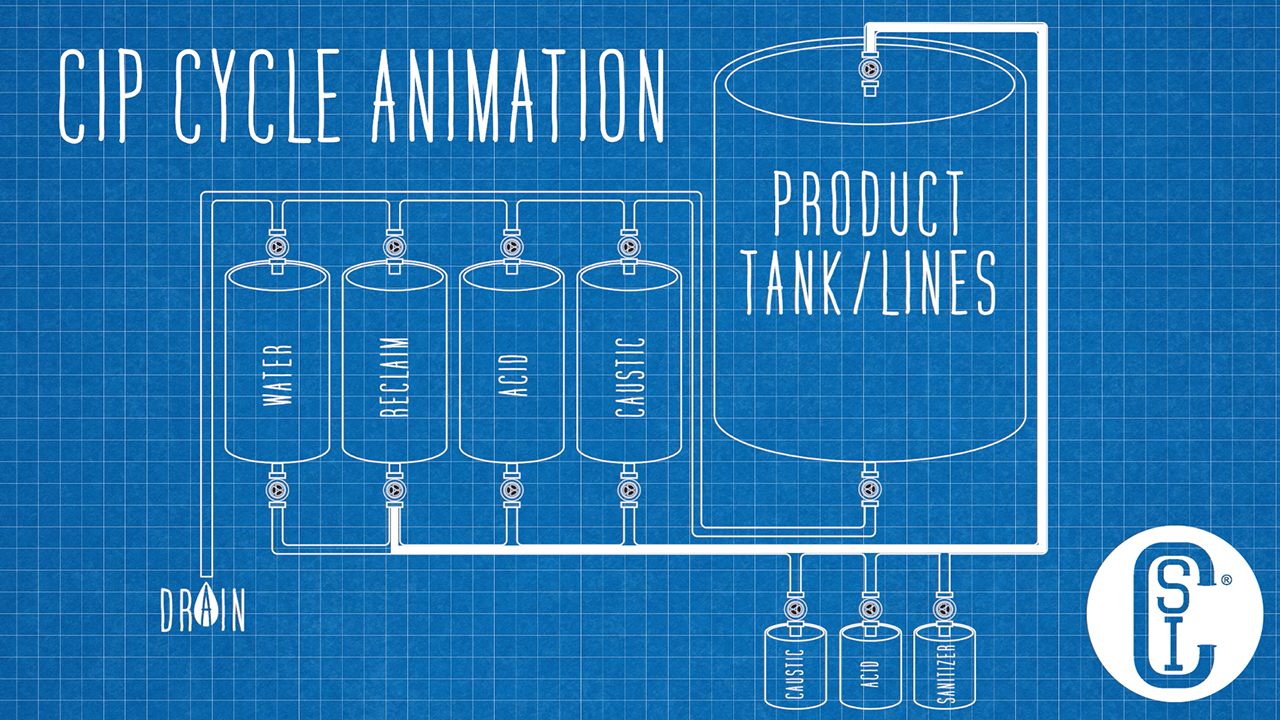
Quality protocols prescribe a multi‑step clean for packaging lines. Generally one starts with a pre‑rinse to remove gross soil (beer sugars, yeast, hop debris) from hoses, nozzles, conveyors and machine parts (www.awri.com.au) (www.awri.com.au). This is followed by an alkaline or surfactant wash to emulsify organic films. In brewery practice, CIP uses caustic soda (NaOH) at ~1–4% to saponify fats and proteins (www.awri.com.au) (academicjournals.org).
For packaging lines, fully open components can be soaked with 2–3% caustic solution, or CIP‑pumped through spray balls in tanks. An intermediate rinse removes cleaner. Finally, an acid rinse or sanitization step (often with PAA) removes mineral scale and kills remaining microbes. In large plants a final steam sterilization (>80 °C) or pressurized hot water pass (80 °C, 30 min) may be used to ensure sterility (www.awri.com.au). Critical parts such as fill valves and crowners may also be steam‑blasted or swabbed with alcohol or heat between runs. Many conveyors and fill adapters can be disassembled and cleaned manually, then sanitized with PAA spray or wipe, as needed.
One standard brewery CIP example: 2% NaOH at ~65 °C for ~30 min, followed by 100 g PAA (5% stock) in 10 min, then a hot‑water final rinse (academicjournals.org) (academicjournals.org). Notably, recent research shows that high temperature is not always needed: one microbrewery study found 40 °C–ambient NaOH baths performed as well as 60 °C (academicjournals.org) (academicjournals.org). The key factor was concentration and flow: 1.5–2% NaOH with good spray velocity typically reached ATP hygiene targets within 20–40 min (academicjournals.org) (academicjournals.org).
Open‑top tanks should have high CIP flow (≥1.5–3.5 m³/h per meter diameter) to shear off residue (academicjournals.org). Good practice is to routinely tear down and brush‑clean parts like filler nozzles or crowners that harbor O‑rings or dead corners, then CIP or sanitize them before reassembly. Maintaining disinfected cooling water and potable rinses also depends on reliable utilities and, when specified, supporting equipment for water treatment (water‑treatment ancillaries).
Hygienic design and regulatory context
Hygienic design standards (e.g., EHEDG) recommend using all stainless steel where possible, eliminating pockets and crevices, and draining equipment so no beer pools between batches. Indonesia’s food safety norms (BPOM/SNI) require Good Manufacturing Practices (GMP) including regular cleaning of all surfaces contacting product, though no specific CIP recipe is mandated. Beverage industry guidelines (e.g., 3‑A Sanitary Standards) emphasize that any CIP must be validated to reach disinfectant residuals (e.g., target PAA doses in lines). In practice QA managers define SOPs with steps/chemicals validated by trials (as in Laing et al. 2021) to ensure each segment meets sanitation criteria.
ATP checks and microbiological verification
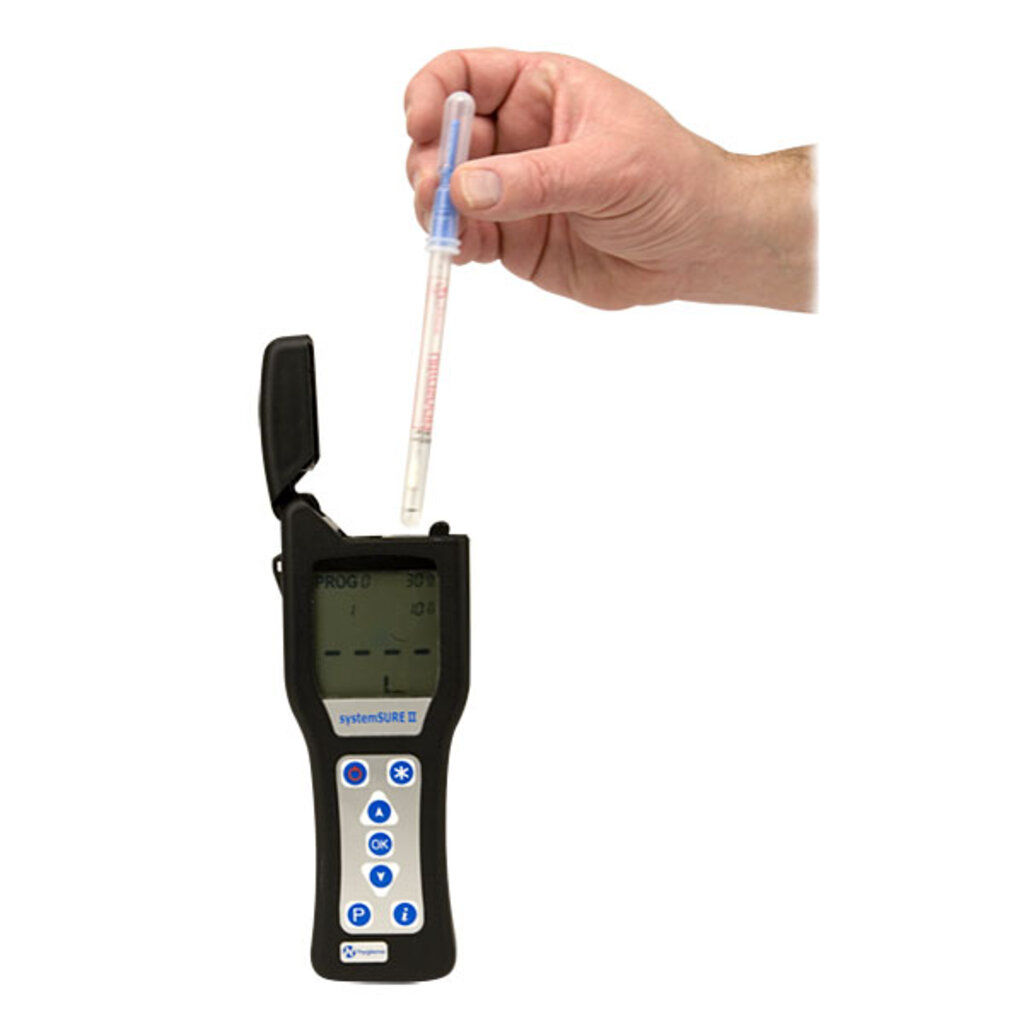
Quantitative testing verifies cleaning success. ATP bioluminescence (light from an enzyme reaction that quantifies residual adenosine triphosphate) is now standard for breweries to rapid‑check sanitation. A swab of 100 cm² on a beer‑contact surface yields an RLU (Relative Light Unit) score proportional to leftover organic residue. Industry practice (per Hygiena) cites ~10 RLU as ideally sterile, and <30 RLU as an acceptable pass (academicjournals.org) (www.mdpi.com).
For example, Laing et al. (2021) used the Hygiena EnSURE system: <10 RLU meant “very clean,” while <30 RLU was considered “clean enough” (academicjournals.org). MDPI packaging research also notes that many systems use 30 RLU as the failure threshold (www.mdpi.com). In practice QA staff might set even stricter targets (e.g., ≤10–20 RLU) for critical items.
ATP testing is valued because it provides results in minutes. Studies report strong correlation between ATP and traditional culturing on brewery surfaces (www.researchgate.net) (academicjournals.org). Indeed, ATP often picks up microbes that plate counts miss (e.g., viable‑but‑non‑culturable cells), giving more sensitive hygiene checks (www.researchgate.net) (academicjournals.org).
Microbial swabs and contact plates provide complementary data. Swab samples (e.g., EBC 2.2.5.6 method) should be taken periodically (e.g., daily/weekly) on filler heads, caps, conveyor benches, etc. Plating on non‑selective agar yields Total Plate Count (TPC), while selective media can target beer spoilers (e.g., MRS agar for lactobacilli) (www.hygiena.com). For good sanitation, QA targets are very low counts on rinsed surfaces. One expert guideline states that on unpasteurized beer lines the count of positive (growth) swabs “must tend to zero” (www.researchgate.net).
In practice one expects post‑sanitation plates with <10–20 CFU (colony‑forming units) or no growth; any recurring positive outliers trigger corrective action. QA managers should also monitor final rinse water (from fillers, keg CIP drains, etc.) for bacteria using pour‑plates or dip slides. Frequent environmental samples (e.g., once per shift) help detect biofilms or leaks early.
Many breweries now log ATP/RLU over time, using digital dashboards to spot trends. The Hygiena “SureTrend” system, for example, trains staff with real‑time trends: a piece of equipment consistently at 80 RLU (fail) can be quickly identified and re‑cleaned. Building such records helps QA managers make evidence‑based decisions on cleaning frequency and methods.
Outcomes, costs and risk reduction
Laing et al. reported that microbreweries optimizing CIP (2% caustic, adequate rinse, 1% PAA) achieved target cleanliness in 30–40 min cycles and stood to save >£1000/year on chemicals, water and energy (academicjournals.org). Small changes add up: cutting caustic concentration from 3% to 2% v/v in a 100 L CIP saved ~£340/year on caustic alone, while reducing rinse volume by 500 L per cycle saved ~£300/year on utilities (academicjournals.org) (academicjournals.org). Eliminating unnecessary tank heating (e.g., running 40 °C instead of 60 °C) can save an additional ~£200/year (academicjournals.org) (academicjournals.org).
More importantly, strong sanitation dramatically lowers spoilage risk. Anecdotally, craft brewers who maintain ATP in the low‑teens RLU and negative surface swabs report near‑zero recalls. Conversely, packaging lines with poor hygiene frequently yield sour or off batches. Given that a single contaminated batch (often thousands of bottles or cans) can cost tens of thousands of dollars in lost product, testing and sanitizing aggressively is cost‑effective.
Summary: Rigorous cleaning of packaging equipment—using effective no‑rinse sanitizers and verification testing—is non‑negotiable for breweries. Industry data (e.g., 21% contamination rate without control (www.researchgate.net)) and cost‑modeling (e.g., £1000+ annual CIP optimization savings (academicjournals.org)) show the ROI of sanitation. By implementing proven disinfectants (PAA, ClO₂) at validated doses and routinely confirming hygiene with ATP and plate counts, QA managers can greatly reduce spoilage incidents, ensure regulatory compliance, and improve the bottom line.
Sources: Authoritative brewing hygiene guides, peer‑reviewed studies and industry reports were used to compile best practices and data (see citations). All figures and recommendations above are based on published research and industry benchmarks (www.awri.com.au) (www.mdpi.com) (academicjournals.org) (academicjournals.org) (www.researchgate.net).