
As record fab builds collide with acid baths, oxidizers, and PFAS, the semiconductor sector faces exacting rules on storage, transport, PPE, and hazardous waste disposal. This is the compliance-first guide, with the engineering controls regulators expect.
Chipmakers plan a record $400 billion in new fabs from 2025–27, according to Reuters. That expansion brings a vast ramp in cleaning chemicals—concentrated acids, bases, oxidizers, and solvents—alongside intense scrutiny on how they’re handled and disposed of.
These fabs also run on water at staggering scale. A single plant can use as much water as 17 million people per year (Reuters). At TSMC’s Phoenix complex, consumption is projected at ~16.4 million gallons per day, with plans to recycle nearly 100% of that water on‑site (Axios; Reuters). Closed‑loop reuse strategies often center on membrane treatment blocks, a category represented by membrane systems.
Regulators are zeroing in on “forever” pollutants too. The EU has proposed banning ~10,000 PFAS (per‑ and polyfluoroalkyl substances) used in chipmaking (FT), and semiconductors already account for ~10% of Europe’s PFAS use (arXiv). The implications stretch from PPE to incineration requirements.
Chemical hazard profile and definitions
Typical wafer cleans deploy piranha etch (concentrated H₂SO₄ + H₂O₂; a high‑energy oxidizing mix) and RCA cleans (NH₄OH+H₂O₂ or HCl+H₂O₂; legacy wafer cleaning sequences), plus hydrofluoric acid (HF) etches and organic solvents such as acetone and isopropyl alcohol (IPA). These are strong acids/bases and oxidizers, often with NFPA 704 (the hazard diamond) health rating 3–4.
Many cleaning chemicals—and their transformation products—are regulated as hazardous. PFAS, already under proposed bans in chipmaking (FT) and accounting for ~10% of Europe’s PFAS use (arXiv), underscore the acute toxicity and persistence of typical cleaning wastes.
Safe handling: SOPs and engineering controls
Standard procedures and training anchor risk control. Personnel must work to Safety Data Sheets (SDS) and HazCom requirements; no handling proceeds without hazards and response plans understood. A 2024 news report described an explosion during a waste disposal operation at a TSMC site, hospitalizing the driver—illustrating the stakes even during transfer (Reuters). Routine spill and evacuation drills are essential.
Ventilation is the first line of defense. Work occurs in fume hoods or closed dispensing/delivery systems (e.g., closed pump transfer) to prevent vapor exposure. Local exhaust ventilation with acid‑ and solvent‑rated filters is recommended when pouring or mixing. Emergency eye‑wash and safety showers must be immediately accessible wherever corrosives or toxins are used.
Compatibility discipline matters. Incompatibles are segregated by chart; acids are not mixed with bases or organics. Adding sulfuric acid to an organic solvent can generate runaway heat or flammable vapors. Neutralizers such as sodium bicarbonate and spill‑control kits are kept nearby.
Chemical storage: segregation and containment
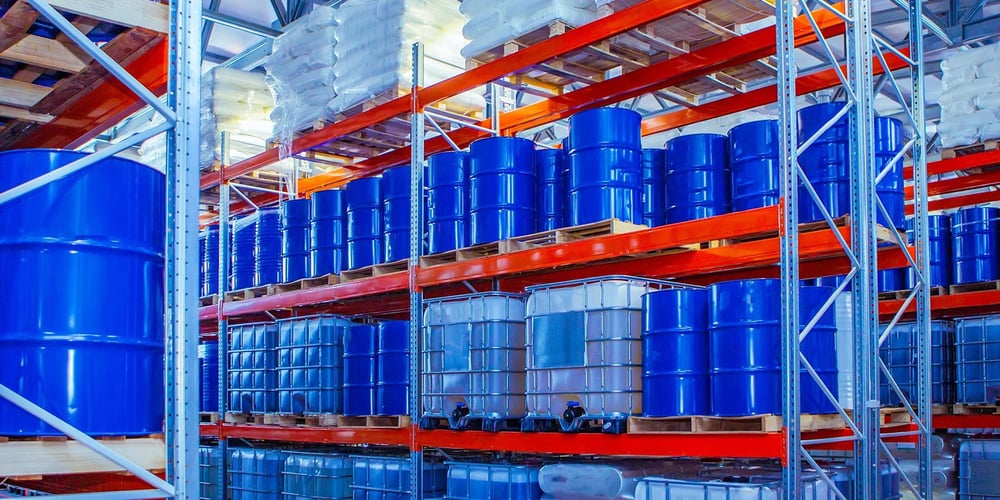
Segregation follows hazard class. Concentrated acids (HCl, H₂SO₄, HNO₃) are stored separately from bases (NH₄OH) and away from organics, ideally in dedicated corrosion‑resistant cabinets with built‑in leak containment. Flammable solvents sit in approved flammables lockers, separate from oxidizers.
Secondary containment is sized to at least 110% of container volume—spill trays or bermed shelves for drums; for large storage, double‑walled or bunded tanks with overflow alarms. Environmental controls keep rooms cool, dry, and well ventilated; sunlight and heat sources are avoided, and peroxide solutions are maintained at recommended temperatures to prevent decomposition if hot. Rooms have corrosion‑resistant flooring and walls.
Labeling is explicit. Containers carry contents and hazard pictograms, inventories are current, and SDS are stored on‑site. Signage (for example, “Corrosive – Acidic Chemicals”) and visible emergency procedures are posted. Containers are inspected for corrosion or leaks, with only small batches kept outside storage. The 2023 Tucson nitric‑acid tanker spill, which forced deadly evacuations (AP), underscores the need to avoid overfilling or pressurizing storage vessels.
Transportation compliance and emergency readiness
Packaging uses UN‑certified containers—UN II or III rated drums, IBCs or cylinders—with tight closures. Corrosives use plastic (HDPE) inner containers in strong outer packaging; organic solvents go in foil‑line drums or safety cans. Packages bear UN numbers and hazard labels (Class 8 corrosive, Class 3 flammable).
Labeling and documentation include GHS/CLP pictograms and clear chemical names. Waste moves with documentation (e.g., Indonesia’s B3 hazardous waste manifest or an international transport emergency card), with copies kept on file. Export/import of waste complies with Basel Convention traceability requirements.
Carriers are licensed for hazardous materials (Indonesian fleets approved under PP No. 101/2014), and drivers have HAZMAT training. Licensed carriers plan routes and practices that minimize risk (including avoiding populated areas when possible). Vehicles carry emergency kits (absorbents, neutralizers) as required by law, and routes are risk‑assessed—the 2023 I‑10 crash that spilled concentrated HNO₃ forced evacuation within a half‑mile (AP). Local emergency responders are updated on chemicals carried, with incident response plans in place.
PPE by hazard class and task
Gloves are chemical‑rated. For acids/oxidizers (HCl, H₂SO₄, HNO₃, H₂O₂), neoprene or butyl gloves at minimum 14–18 mil thickness are used; permeation charts are consulted, as nitrile won’t protect against HF. For organic solvents (IPA, acetone), nitrile or Viton gloves are selected; cotton or leather is not protective.
Eye and face protection includes splash‑proof chemical goggles, with a full‑face shield during pouring or mixing of strong acids/bases or solvents; ANSI Z87.1 applies. Respiratory protection is added where inhalation risk exists (P100 cartridge for particulates plus acid‑gas cartridges when handling HCl/HF). HF work often requires a supplied‑air respirator or SCBA, plus immediate access to calcium‑gluconate gel.
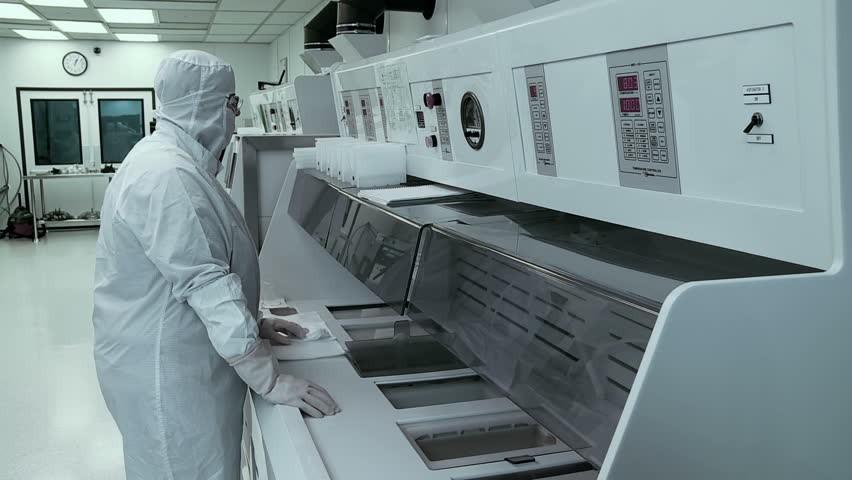
Body protection features acid‑resistant lab coats or aprons (PVC or coated fabric), sleeve cuffs, and high boots (booties) to prevent drips. For large‑volume transfers, a full chemical splash suit is used; footwear is chemical‑resistant (PVC or rubber boots). Double‑gloving is used when warranted, PPE is inspected after exposure, and contamination is removed using approved decon stations (with showers verified). PFAS contamination can also absorb into gear; laundering or disposal of soaked PPE follows solvent‑waste procedures.
Waste classification and segregation rules
Cleaning effluents are treated as hazardous. Any spent acid, base, or solvent with corrosive pH (<2 or >12), toxicity, or ignitability is regulated. Jurisdictions such as Indonesia’s KLHK (the environment ministry) classify such wastes as B3 (hazardous). Spent H₂SO₄/HCl/NH₄OH/HF solutions are corrosive wastes under RCRA (US) or PP 101/2014 (Indonesia). Slurries containing heavy metals (for example, from plating or CMP cleaning) are toxic wastes.
Waste streams are not poured undiluted down drains or mixed (beyond authorized neutralization). Aqueous acids are segregated from bases, and organics (including solvent wipes) are separated from aqueous wastes. Containers are labeled “Hazardous Waste” with composition, date, and hazard codes, and are closed with secondary containment.
Treatment pathways and cradle‑to‑grave tracking
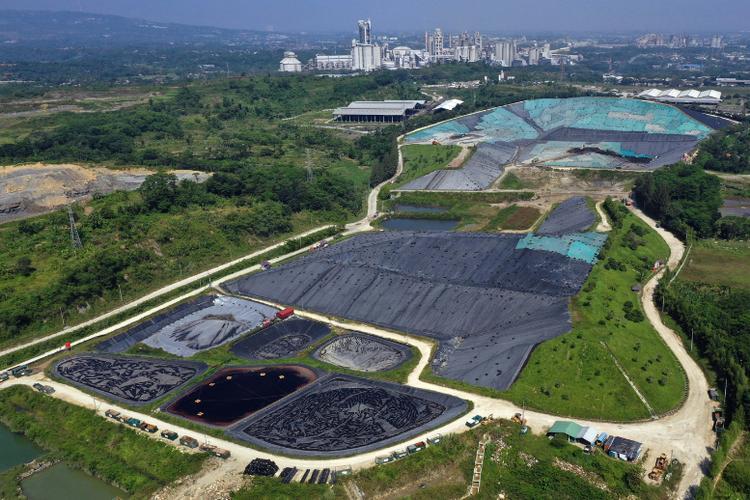
Small, neutralizable wastes (e.g., diluted acid drain solutions) may be neutralized on‑site if effluent meets discharge standards; this requires regulator pre‑approval and detailed monitoring (pH, organics, metals). In most cases, treatment proceeds via licensed hazardous waste facilities. Off‑site options include high‑temperature incineration (required for halogenated or organic wastes and PFAS); chemical precipitation and filtration (for metals); and acid‑base neutralization followed by wastewater treatment (common for mine the).
Cradle‑to‑grave tracking is mandatory. In Indonesia, Government Regulation No. 101/2014 requires waste generators to register with the environment ministry and deliver B3 waste only to licensed carriers and treatment centers. Analogous “manifest” systems exist under the US EPA (RCRA) and the EU (Waste Shipment Regulation). Facilities keep copies of all waste manifests and disposal certificates (for example, Receipt of Delivery by incinerator or recycler). Non‑compliance risks heavy fines or shutdown.
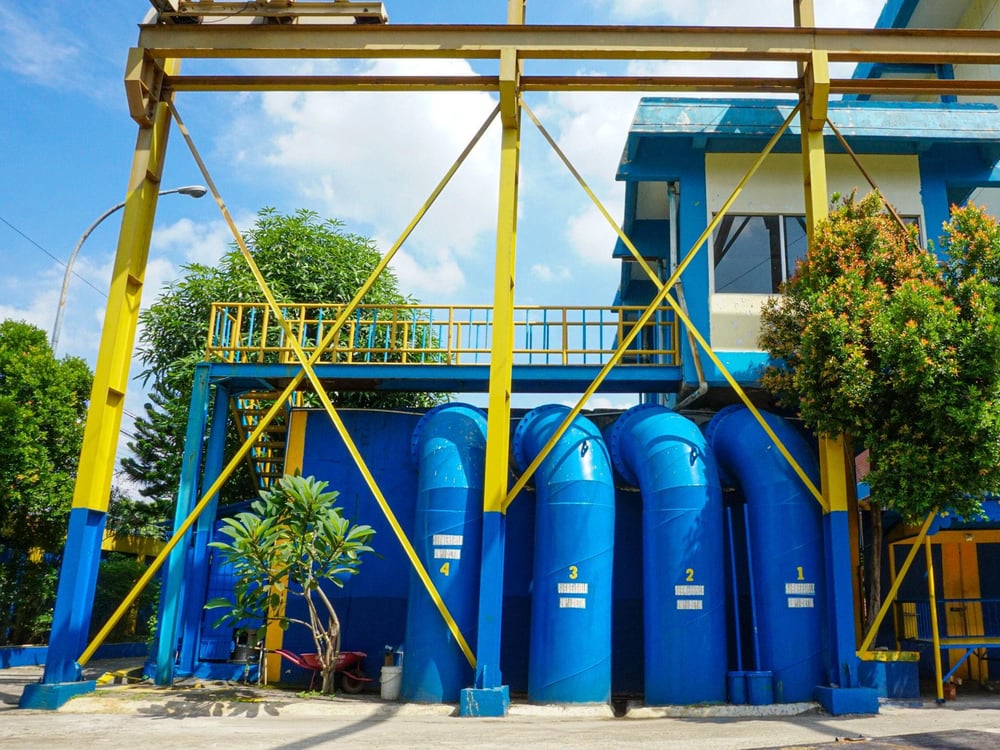
Physical and biological treatment steps can support discharge compliance where permitted. Sedimentation and oil/solids control are addressed in the class of physical separation systems, and clarifier units such as a clarifier remove suspended solids ahead of downstream processes.
Neutralization control depends on accurate chemical metering; equipment in the category of a dosing pump is used to feed reagents to setpoint. Where organics must be reduced before biological steps, media in the class of activated carbon is applied in polishing stages.
Water reuse programs and system choices
Water reclamation—like the plan at TSMC’s Phoenix site to recycle nearly 100% of 16.4 million gallons per day (Axios; Reuters)—drives interest in pretreatment and polishing blocks. Pretreatment steps in the class of ultrafiltration protect downstream membranes, and high‑rejection units such as brackish‑water RO target dissolved salts.
For ultrapure loops, polishing technologies in the category of EDI (electrodeionization) or resin‑based units such as a mixed‑bed are applied to reach very low conductivity. Biological polishing and reuse often reference membrane bioreactors; see the class of a membrane bioreactor when biological removal is required alongside ultrafiltration.
PFAS controls and cost signals
PFAS found in etchant baths or rinse waters do not break down easily and require specialized destruction—high‑temperature incineration with stringent emissions controls. The EU’s move to ban thousands of PFAS in chipmaking (FT) will force fabs to redesign processes or segregate PFAS waste streams fully.
Waste minimization pays. Global waste management costs are projected to rise 75% by 2050 (to ~$640 billion), per Reuters. Asia’s waste‑treatment sector is expanding—Singapore’s largest hazmat firm (ECO, 32% market share) recorded S$96 million in 2023 sales (Reuters)—reflecting strong demand for compliant disposal.
Compliance‑first takeaways
Semiconductor cleaning chemicals—strong acids, bases, oxidizers, and solvents—are acutely hazardous. Effective safety engineering controls, strict PPE (acid‑rated gloves, splash shields, respirators), and rigorous protocols are mandatory. Storage demands segregation of incompatibles and robust spill containment. Transportation requires UN‑rated packaging, placarding, and trained carriers, as incidents like the Tucson HNO₃ tanker spill (AP) and the TSMC waste‑tank incident (Reuters) demonstrate. Disposal must comply with cradle‑to‑grave rules (Indonesia’s B3 system under PP No. 101/2014, US RCRA, EU directives), with waste characterized, tracked, and treated by licensed facilities. By staying ahead of regulatory trends, including PFAS bans, manufacturers protect workers and the environment while minimizing liability.
