

Article
Chip fabs are scaling to $400 billion. Their cleaning chemistry is a safety and disposal crucible
Industry: Semiconductor | Process: Cleaning
Chipmakers plan a record $400 billion in new fabs from 2025–27, according to Reuters. That expansion brings a vast ramp in cleaning chemicals—concentrated acids, bases, oxidizers, and solvents—alongside intense scrutiny on how they’re handled and disposed of.
These fabs also run on water at staggering scale. A single plant can use as much water as 17 million people per year (Reuters). At TSMC’s Phoenix complex, consumption is projected at ~16.4 million gallons per day, with plans to recycle nearly 100% of that water on‑site (Axios; Reuters). Closed‑loop reuse strategies often center on membrane treatment blocks, a category represented by membrane systems.
Regulators are also looking closely at “forever” pollutants. The EU has proposed banning ~10,000 PFAS (per‑ and polyfluoroalkyl substances) used in chipmaking (FT). Semiconductors already account for ~10% of Europe’s PFAS use (arXiv). The effects reach from PPE to incineration requirements.
Chemical hazard profile and definitions
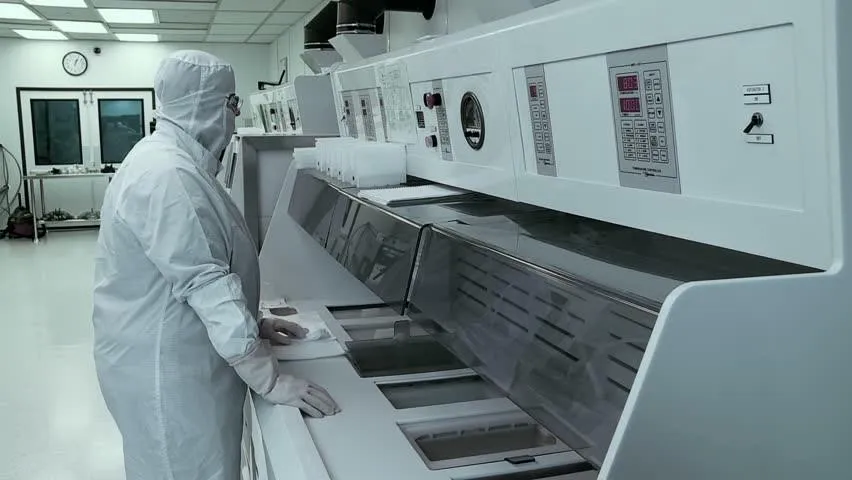
Typical wafer cleans use piranha etch (concentrated H₂SO₄ + H₂O₂, a high‑energy oxidizing mix) and RCA cleans (NH₄OH+H₂O₂ or HCl+H₂O₂, legacy wafer cleaning sequences). They also use hydrofluoric acid (HF) etches and organic solvents such as acetone and isopropyl alcohol (IPA). These are strong acids, bases and oxidizers. Their NFPA 704 (the hazard diamond) health rating is usually 3–4.
Many cleaning chemicals—and their transformation products—are regulated as hazardous. PFAS, already under proposed bans in chipmaking (FT) and accounting for ~10% of Europe’s PFAS use (arXiv), underscore the acute toxicity and persistence of typical cleaning wastes.
Safe handling: SOPs and engineering controls
Standard procedures and training anchor risk control. Personnel must work to Safety Data Sheets (SDS) and HazCom requirements. No handling starts until the hazards and the response plans are understood. A 2024 news report described an explosion during a waste disposal operation at a TSMC site. The driver was hospitalised. This shows the stakes even during transfer (Reuters). Routine spill and evacuation drills are important.
Ventilation is the first line of defense. Work happens in fume hoods or closed dispensing/delivery systems (for example, closed pump transfer) to prevent vapor exposure. Local exhaust ventilation with acid‑ and solvent‑rated filters is recommended when pouring or mixing. Emergency eye‑wash and safety showers must be within reach wherever corrosives or toxins are used.
Compatibility discipline matters. We keep incompatible chemicals apart by chart. Acids are not mixed with bases or organics. If you add sulfuric acid to an organic solvent, it can generate runaway heat or flammable vapors. We keep neutralizers such as sodium bicarbonate and spill‑control kits nearby.
Chemical storage: segregation and containment
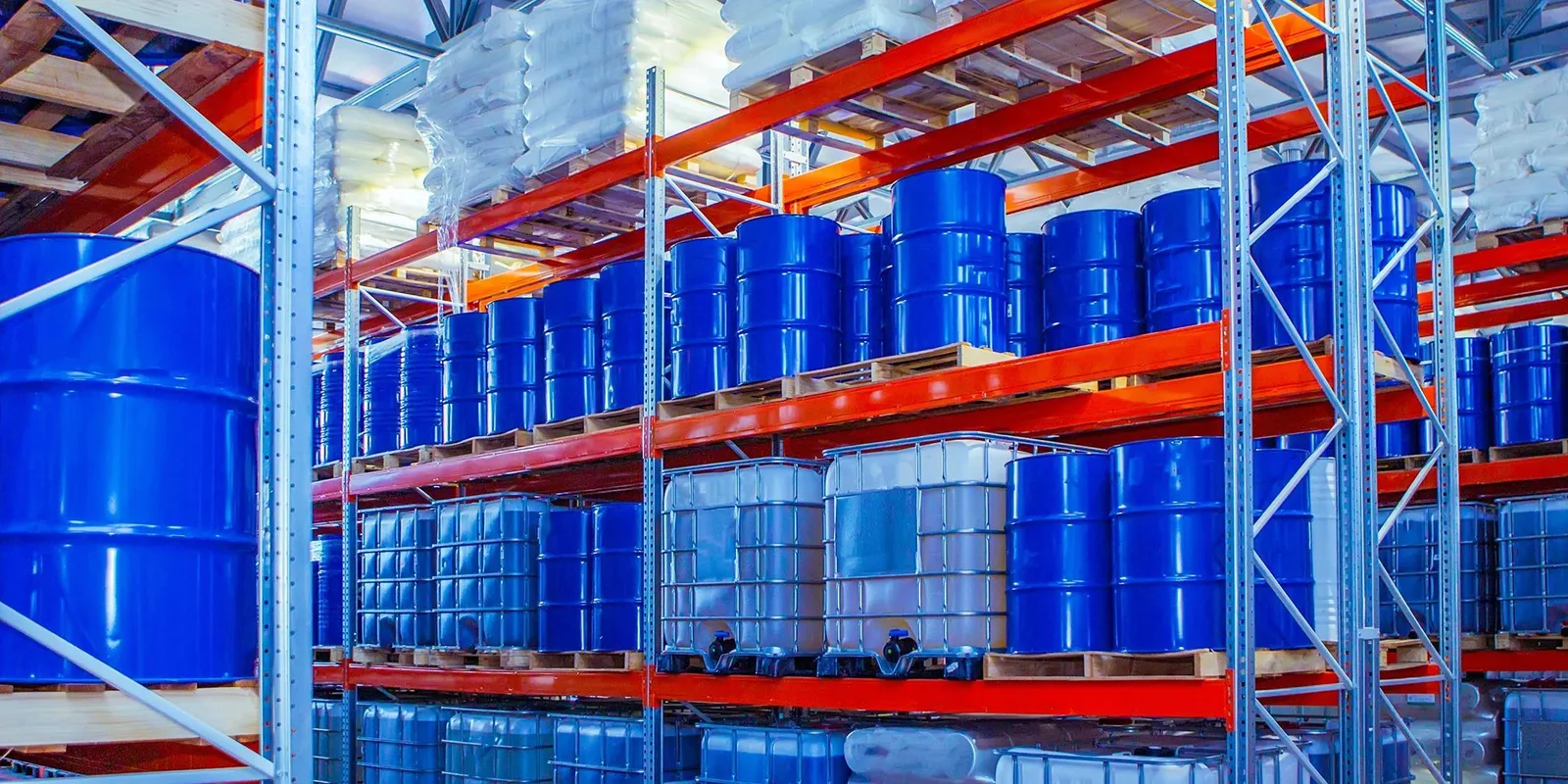
Segregation follows hazard class. Concentrated acids (HCl, H₂SO₄, HNO₃) are stored separately from bases (NH₄OH) and away from organics. We store them in dedicated corrosion‑resistant cabinets with built‑in leak containment. Flammable solvents sit in approved flammables lockers, separate from oxidizers.
Secondary containment is sized to at least 110% of container volume. We use spill trays or bermed shelves for drums. For large storage we use double‑walled or bunded tanks with overflow alarms. Environmental controls keep rooms cool, dry and well ventilated. We avoid sunlight and heat sources, and we keep peroxide solutions at the recommended temperatures so they do not decompose if hot. Rooms have corrosion‑resistant flooring and walls.
Labeling is explicit. Containers carry contents and hazard pictograms. Inventories are current and SDS are stored on‑site. Signage is posted, for example “Corrosive – Acidic Chemicals”, and emergency procedures are visible. Containers are inspected for corrosion or leaks. Only small batches are kept outside storage. The 2023 Tucson nitric‑acid tanker spill forced deadly evacuations (AP). It shows why storage vessels must not be overfilled or pressurized.
Transportation compliance and emergency readiness
Packaging uses UN‑certified containers: UN II or III rated drums, IBCs or cylinders, with tight closures. Corrosives use plastic (HDPE) inner containers in strong outer packaging. Organic solvents go in foil‑line drums or safety cans. Packages bear UN numbers and hazard labels (Class 8 corrosive, Class 3 flammable).
Labeling and documentation include GHS/CLP pictograms and clear chemical names. Waste moves with documentation (for example, Indonesia’s B3 hazardous waste manifest or an international transport emergency card). Copies are kept on file. Export and import of waste complies with Basel Convention traceability requirements.
Carriers hold licences for hazardous materials (Indonesian fleets approved under PP No. 101/2014), and drivers have HAZMAT training. Licensed carriers plan routes and practices that keep risk low (including avoiding populated areas when possible). Vehicles carry emergency kits (absorbents, neutralizers) as the law requires, and routes are risk‑assessed. The 2023 I‑10 crash that spilled concentrated HNO₃ forced evacuation within a half‑mile (AP). Local emergency responders are updated on the chemicals carried, and incident response plans are in place.
PPE by hazard class and task
Gloves are chemical-rated. For acids and oxidizers (HCl, H₂SO₄, HNO₃, H₂O₂), neoprene or butyl gloves at minimum 14–18 mil thickness are used. Permeation charts are consulted, because nitrile won’t protect against HF. For organic solvents (IPA, acetone), nitrile or Viton gloves are selected. Cotton or leather is not protective.
Eye and face protection includes splash‑proof chemical goggles, with a full‑face shield during pouring or mixing of strong acids/bases or solvents. ANSI Z87.1 applies. Respiratory protection is added where inhalation risk exists (P100 cartridge for particulates plus acid‑gas cartridges when handling HCl/HF). HF work usually needs a supplied‑air respirator or SCBA, plus immediate access to calcium‑gluconate gel.
Body protection features acid-resistant lab coats or aprons (PVC or coated fabric), sleeve cuffs, and high boots (booties) to prevent drips. For large-volume transfers, a full chemical splash suit is used. Footwear is chemical-resistant (PVC or rubber boots). Double-gloving is used when warranted. PPE is inspected after exposure, and contamination is removed using approved decon stations (with showers verified). PFAS contamination can also absorb into gear. Laundering or disposal of soaked PPE follows solvent-waste procedures.
Waste classification and segregation rules
Cleaning effluents are treated as hazardous. Any spent acid, base, or solvent with corrosive pH (<2 or >12), toxicity, or ignitability is regulated. Jurisdictions such as Indonesia’s KLHK (the environment ministry) classify such wastes as B3 (hazardous). Spent H₂SO₄/HCl/NH₄OH/HF are corrosive wastes under RCRA (US) or PP 101/2014 (Indonesia). Slurries containing heavy metals (for example, from plating or CMP cleaning) are toxic wastes.
Waste streams are not poured undiluted down drains or mixed, beyond authorized neutralization. Aqueous acids are kept apart from bases. Organics, including solvent wipes, are kept apart from aqueous wastes. Containers are labeled “Hazardous Waste” with composition, date and hazard codes. They are closed and have secondary containment.
Treatment pathways and cradle‑to‑grave tracking
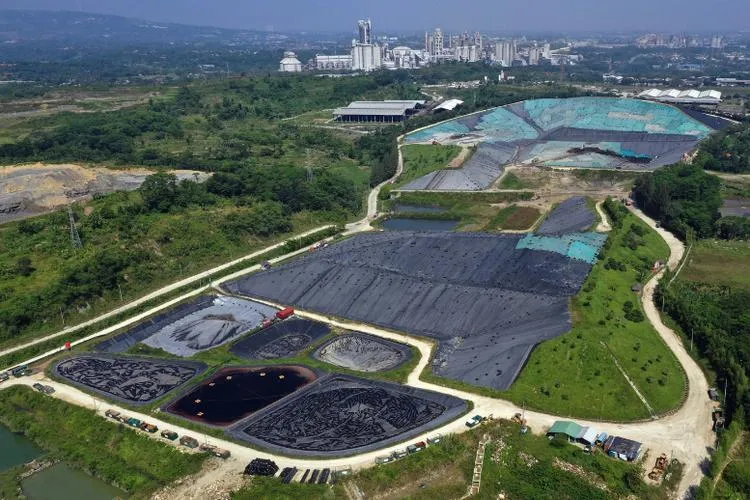
Small wastes that can be neutralized, for example diluted acid drain solution, may be neutralized on‑site if the effluent meets discharge standards. This needs regulator pre‑approval and detailed monitoring (pH, organics, metals). In most cases, treatment goes through licensed hazardous waste facilities. Off‑site options include high‑temperature incineration (needed for halogenated or organic wastes and PFAS), chemical precipitation and filtration (for metals), and acid‑base neutralization followed by wastewater treatment (common for mine the).
Cradle‑to‑grave tracking is mandatory. In Indonesia, Government Regulation No. 101/2014 says waste generators must register with the environment ministry and deliver B3 waste only to licensed carriers and treatment centers. Similar “manifest” systems exist under the US EPA (RCRA) and the EU (Waste Shipment Regulation). Facilities keep copies of all waste manifests and disposal certificates (for example, Receipt of Delivery by incinerator or recycler). Non‑compliance risks heavy fines or shutdown.
Physical and biological treatment steps can help meet discharge limits where permitted. Sedimentation and oil/solids control are covered in the class of physical separation systems. Clarifier units such as a clarifier remove suspended solids ahead of downstream processes.
Neutralization control depends on accurate chemical metering. Equipment in the category of a dosing pump feeds reagents to setpoint. Where organics must be reduced before biological steps, media in the class of activated carbon is used in polishing stages.
Water reuse programs and system choices
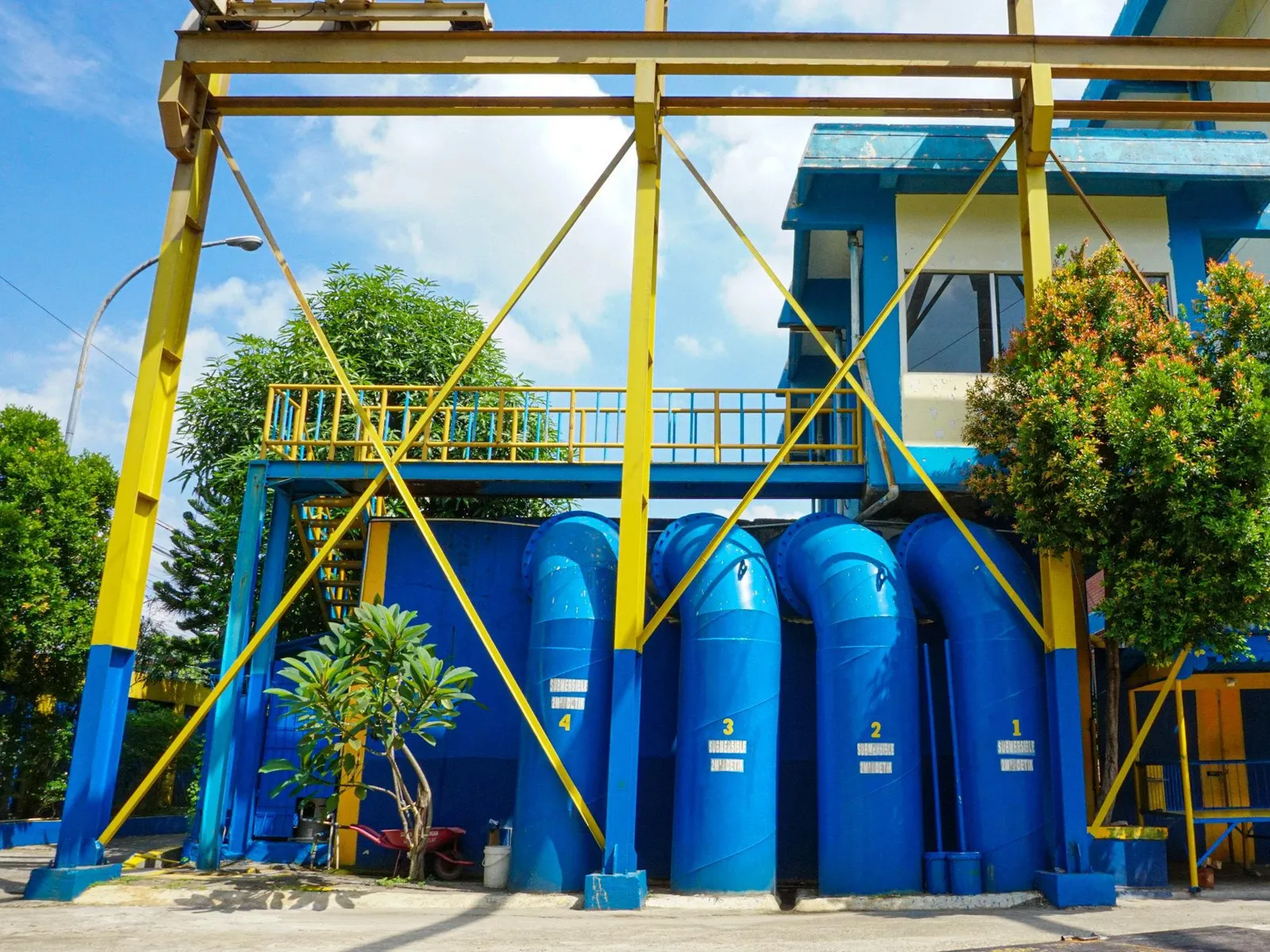
Water reclamation—like the plan at TSMC’s Phoenix site to recycle nearly 100% of 16.4 million gallons per day (Axios; Reuters)—drives interest in pretreatment and polishing blocks. Pretreatment steps in the class of ultrafiltration protect downstream membranes, and high‑rejection units such as brackish‑water RO target dissolved salts.
For ultrapure loops, polishing technologies in the category of EDI (electrodeionization) or resin‑based units such as a mixed‑bed are applied to reach very low conductivity. Biological polishing and reuse usually reference membrane bioreactors. See the class of a membrane bioreactor when biological removal is needed alongside ultrafiltration.
PFAS controls and cost signals
PFAS in etchant baths or rinse waters do not break down easily. They need special destruction: high‑temperature incineration with strict emissions controls. The EU plans to ban thousands of PFAS in chipmaking (FT). Therefore fabs will have to redesign their processes or separate PFAS waste streams fully.
Waste minimization pays. Global waste management costs are projected to rise 75% by 2050 (to ~$640 billion), per Reuters. Asia’s waste‑treatment sector is expanding—Singapore’s largest hazmat firm (ECO, 32% market share) recorded S$96 million in 2023 sales (Reuters)—reflecting strong demand for compliant disposal.
Compliance‑first takeaways
Semiconductor cleaning chemicals are strong acids, bases, oxidizers and solvents. They are acutely hazardous. You need good safety engineering controls, strict PPE (acid‑rated gloves, splash shields, respirators) and rigorous protocols. Storage needs separation of incompatible chemicals and good spill containment. Transport needs UN‑rated packaging, placarding and trained carriers. Incidents show why: the Tucson HNO₃ tanker spill (AP) and the TSMC waste‑tank incident (Reuters). Disposal must follow cradle‑to‑grave rules (Indonesia’s B3 system under PP No. 101/2014, US RCRA, EU directives). Waste must be characterized, tracked and treated by licensed facilities. If manufacturers stay ahead of regulatory trends, including PFAS bans, they protect workers and the environment and reduce liability.