

MBBR, MBR and activated sludge differ in where the bacteria are held and how solids are separated from treated water. Activated sludge uses suspended bacterial floc that settles in a clarifier. An MBBR grows bacteria as biofilm on plastic or foam carriers moving inside the reactor. An MBR uses membranes to separate water from sludge. PT Beta Pramesti Asia builds and supplies all three processes for industrial wastewater treatment plants in Indonesia.
All three are biological processes: bacteria break down organic load (BOD/COD) and, where designed for it, ammonia. What differs is reactor volume, footprint, solids in the effluent, equipment and the operating discipline required.
What are activated sludge, MBBR and MBR?
- Activated sludge (conventional activated sludge, CAS). Wastewater is aerated with sludge that contains the bacteria. The mixture flows to a secondary clarifier; sludge settles, part is returned to aeration (RAS) and the rest is wasted (WAS). See activated sludge systems.
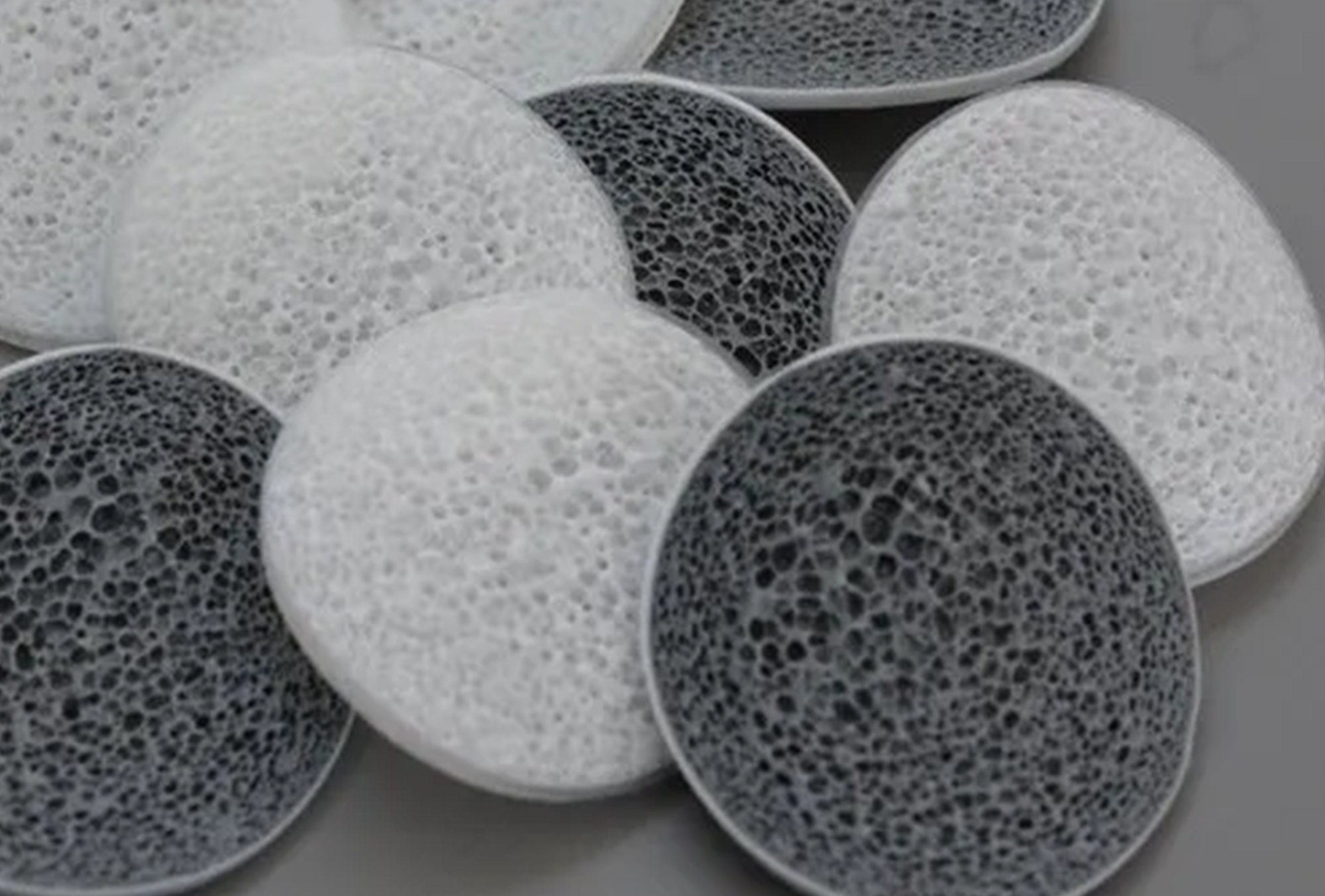
- MBBR (moving bed biofilm reactor). An aerated reactor is filled with free-moving carriers. Bacteria grow as biofilm on the carrier surface, and screens keep the carriers in the reactor. Biofilm that sloughs off still has to be separated downstream. See MBBR for wastewater treatment.
- MBR (membrane bioreactor). An activated-sludge bioreactor in which microfiltration or ultrafiltration membranes, not a clarifier, separate the solids. The permeate is almost free of suspended solids. See MBR for wastewater treatment and Toray MBR modules.
MBBR vs MBR vs activated sludge comparison table
| Aspect | Activated sludge (CAS) | MBBR | MBR |
|---|---|---|---|
| Where the bacteria live | Suspended floc in the sludge | Biofilm on moving carriers | Suspended floc, retained by membranes |
| Solids separation | Secondary clarifier | Clarifier, DAF or filter downstream | MF/UF membranes in or beside the reactor |
| Return sludge (RAS) | Required | Not in a pure MBBR | Sludge is retained in the membrane tank |
| Footprint | Largest (aeration tanks plus clarifiers) | More compact; suits retrofits of existing tanks | Most compact; no secondary clarifier |
| Solids in effluent | Depends on clarifier settling | Depends on the downstream separation unit | Very low because of the membrane barrier |
| Operating sensitivity | Sludge settling (bulking, foam) must be managed | Carriers and retention screens need care | Membrane fouling: flux, TMP, backwash and chemical cleaning |
| Main energy demand | Aeration | Aeration for process and carrier mixing | Process aeration plus membrane air scour |
| Typical use | Large WWTPs with land and fairly stable influent | Capacity upgrades, nitrification, variable load, limited space | Very clear effluent, water reuse, very limited space |
The table is a first screen. The final design still follows flow, load, toxicity, temperature and effluent data. The U.S. EPA MBR fact sheet describes MBR as a biological process with membranes replacing the clarifier, and the U.S. EPA nutrient-removal technologies report describes MBBR as a biofilm process with moving carriers retained by screens.
When is each process chosen?
- Choose activated sludge when land is available, capacity is large, influent is fairly stable or can be evened out by equalisation, and operators are used to managing sludge. Example: a central industrial-estate WWTP.
- Choose MBBR when existing tanks need more biological capacity without new tanks, when nitrification needs strengthening, or when load varies and space is limited.
- Choose MBR when treated water will be reused, the TSS target is very low, or there is no room for clarifiers, and the team is ready to manage membranes.
For load, oxygen and reactor-volume calculations and pilot-test gates, use the CAS vs MBBR vs MBR selection guide.
Project example: a large activated-sludge WWTP
Our latest WWTP project, the Kendal Industrial Park Phase 1B WWTP (Stage 1: 16,200 m³/day), uses activated sludge, not MBBR or MBR. Its train is equalisation, coagulation-flocculation, a primary clarifier, aeration tanks with fine-bubble diffusers, two secondary clarifiers with return and waste sludge pumping, a tube-settler polishing clarifier, and screw-press sludge dewatering. Construction runs 2025-2026 with start-up in 2026.
What we do for all three processes
PT Beta Pramesti Asia works as a WWTP contractor: survey and wastewater characterisation, process design, civil and MEP works, supply of MBBR carriers or MBR modules, installation, commissioning, bacterial seeding at start-up, chemicals, and operation and maintenance support.
For a quotation, prepare:
- Average and peak flow, and the production or washdown pattern.
- Influent analyses: BOD, COD, TSS, oil and grease, ammonia, pH, temperature.
- Effluent target or reuse specification, including the Technical Approval.
- Available land, existing tanks (for a retrofit) and utilities.
- The operating problems you want solved.
Send the data through the contact page.
MBBR, MBR and activated sludge FAQ
Which is better, MBBR or MBR?
Neither is always better. An MBBR adds biological capacity in a small volume but still needs downstream solids separation. An MBR gives the clearest effluent but adds membrane cost, air-scour energy and cleaning work. The choice follows the effluent target, land and operating capability.
Does an MBBR still need a clarifier?
Usually, yes. Biofilm sloughing off the carriers becomes solids that a clarifier, DAF or filter must remove. What a pure MBBR does not need is return sludge (RAS).
Is activated sludge outdated?
No. Activated sludge remains a common choice for large WWTPs with land available. The Kendal Industrial Park Phase 1B WWTP we are building uses this process.
Can an existing activated-sludge plant be upgraded to MBBR or MBR?
It can be evaluated. MBBR carriers can be added to aeration tanks that are still sound, and membrane modules can take over the clarifier’s job. Both need a survey of tanks, aeration, screens and load balance before a decision.
Do all three processes need bacterial seeding at start-up?
Yes. All three are biological, so bacteria are seeded and load is raised step by step while DO, pH, MLSS and settling are tracked. See the WWTP bacteria seeding service.