

Article
Brewers Are Winning the Sparge by Locking In 170°F and Sub‑6.0 pH
A precise sparge—around 168–170 °F (77–78 °C) and a grain‑bed pH kept below 6.0—pulls sugars, not tannins. Breweries are getting there with disciplined temperature control, acidified sparge liquor, and smart stop points at 1.008–1.010 SG.
Industry: Brewery | Process: Lautering
In lautering (the separation and rinsing of sweet wort from the mash), heat and pH decide whether a beer pours clean or astringent. Industry guides repeatedly point to ~170 °F (77 °C) water as the sweet spot. It is hot enough to thin wort and flow, but not so hot that husk polyphenols (tannins) spike into the wort (byo.com; byo.com).
The other lever is pH. As sparge runnings thin, the grain‑bed pH naturally rises; above 6.0, tannins and silicates dissolve readily, pulling “mouth‑puckering” bitterness and haze into the wort (horiba.com; biralleebrewing.com).
Data from small-scale mash trials agrees with what brewers see in the field. Sparging above about 175–180 °F makes the color deeper and the beer more astringent. At about 170 °F the wort is lighter and has fewer harsh polyphenols (byo.com). A long sparge of 1–2 hours can improve yield. However, when the temperature and pH are right, about 30 minutes is usually enough (byo.com).
Thermal limits for sparge liquor
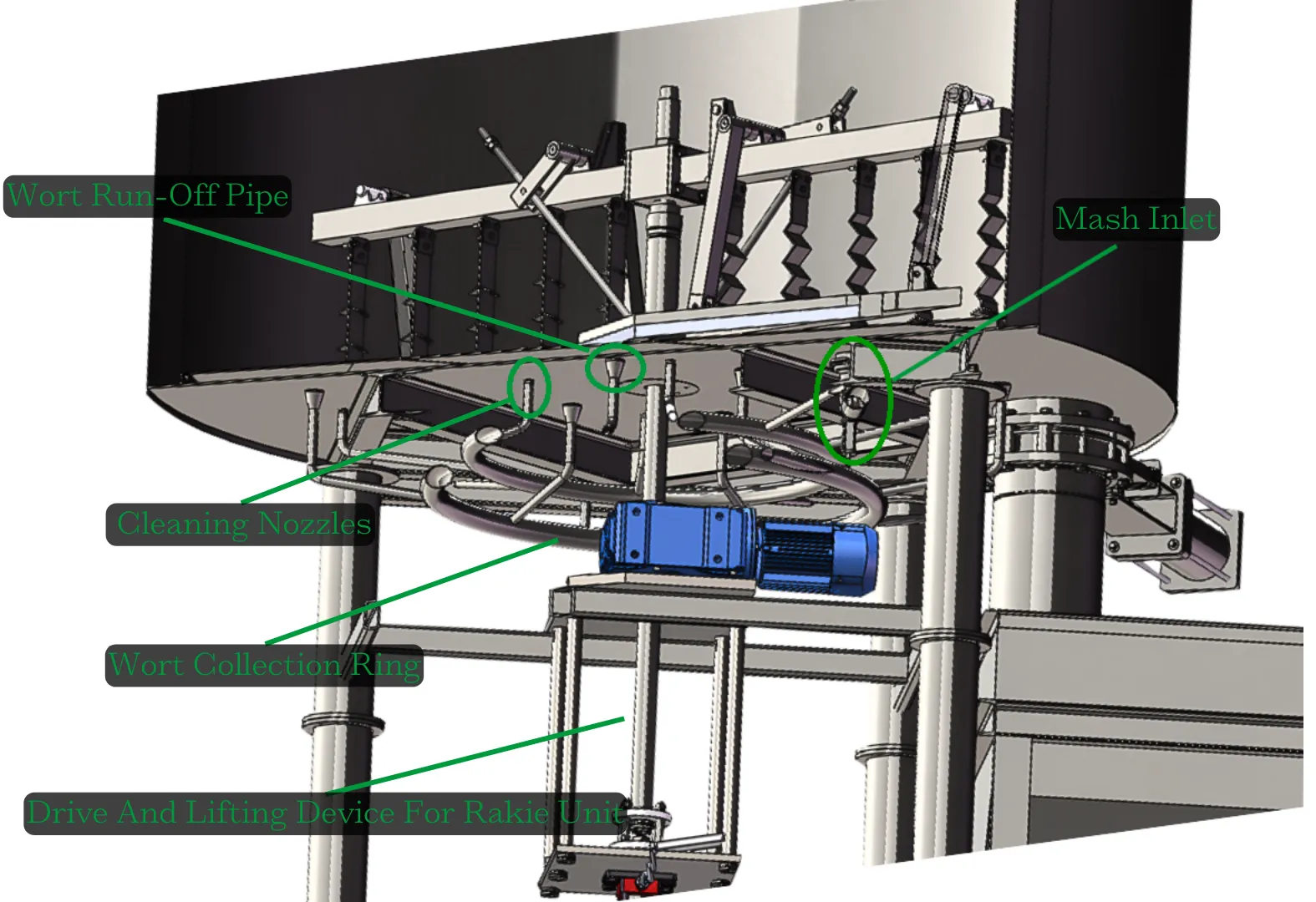
Most breweries target ~168–170 °F (77–78 °C) for sparge liquor and the mash‑out (a brief heating step to stop enzyme action and ease runoff). Above ~175–180 °F, tannin solubility rises sharply. “the higher the temperature, the more tannins will leach out of the lauter bed” (byo.com; byo.com). In practice, breweries routinely flush the bed with ~170 °F water, usually after mash‑out, to maintain flow and efficiency without over‑extracting husk material (byo.com).
In short: hot water pulls more polyphenols out of the grain husks. Keeping the sparge liquor under about 170 °F avoids this.
Runoff pH control and tannins
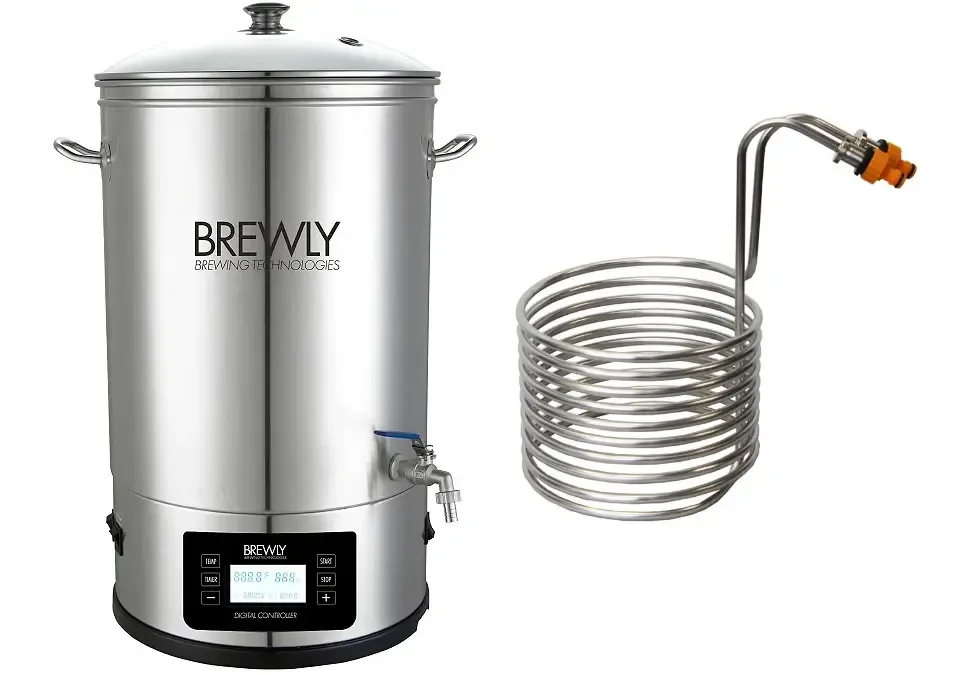
Heat is one factor in husk tannin extraction. pH is the other main one. The pH of the wort during draw-off rises during the last stages of wort collection. Industry guidance says the pH of the run-off wort should be below 6. A higher pH extracts tannins, silicates and other compounds. These cause astringent off-flavours and cloudiness (byo.com; horiba.com).
Targets in practice: aim for sparge/runoff pH ≤6.0, ideally ~5.5–5.8 (horiba.com; biralleebrewing.com). Brewing practitioners routinely target ≲5.8–6.0 and halt collection before the bed crosses that threshold (beerandgardeningjournal.com; biralleebrewing.com).
Why keep the grain-bed pH below 6.0? Malt husk polyphenols do not dissolve much in acidic wort. They dissolve easily as the pH rises. Once the mash pH goes above about 5.8, excessive tannins can enter the wort. If it goes above 6.0, you also risk excessive tannin extraction. This gives a mouth-puckering, husk-like graininess (beerandgardeningjournal.com; accidentalis.com).
Stop points and extract efficiency
Empirically, extract efficiency plates out before pH becomes risky. In one sparge test, stopping around 1.008–1.010 SG (specific gravity; ≈2–3 °Plato) delivered roughly 90–98% of extract while keeping pH below 6.0 (byo.com; byo.com). Pushing far below that gravity adds marginal sugar but sharply increases tannin pickup (byo.com). One guide even notes many breweries never reach pH 5.8 unless runnings dip under ~1.010 SG—supporting earlier shutdown rather than heavy acidification in some cases (beerandgardeningjournal.com).
For brewhouses focused on repeatability, judicious acidification of the sparge remains standard practice to guarantee those sub‑6.0 runnings (beerandgardeningjournal.com).
Acidification and dilution methods
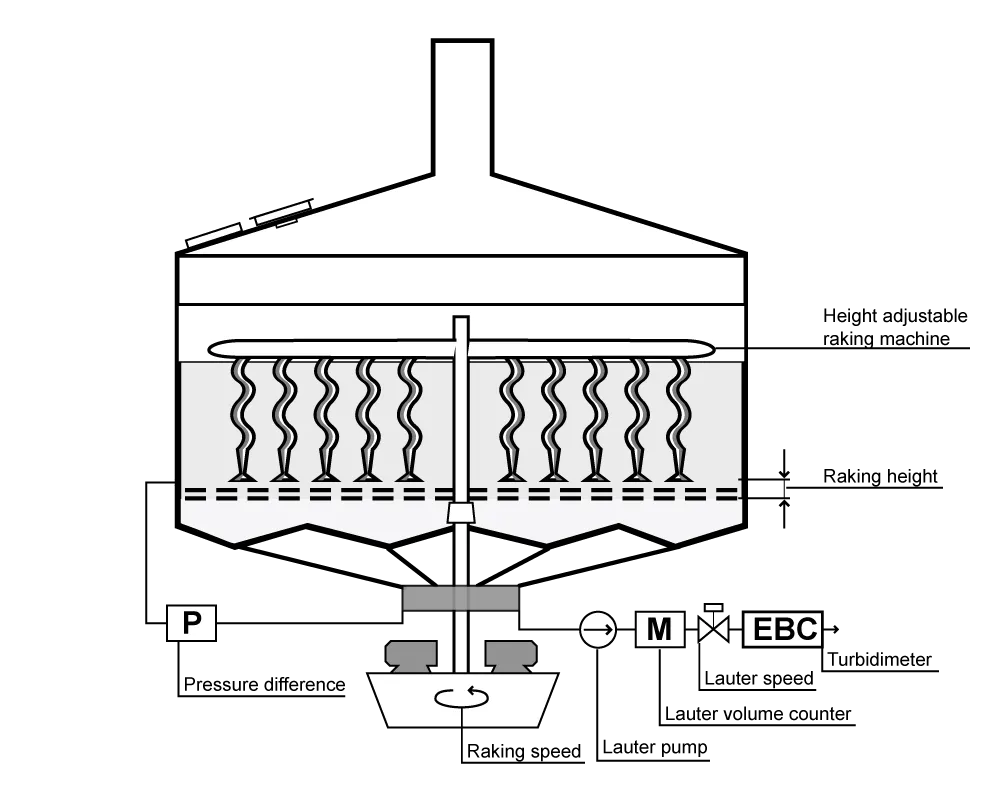
To reach the pH target, you usually need to treat the sparge liquor. Untreated city or groundwater tends to be neutral to alkaline and pushes the pH up. Many brewers acidify sparge water with food‑grade acids, usually phosphoric or lactic, to about 5.4–5.8. A common rule of thumb is about 0.4 mL of 85% phosphoric acid per 23 L (6 gal) to move from about 7.8 to about 5.8. Add the acid gradually with stirring and measure with a calibrated, temperature‑compensated probe. The exact amount must be set by measurement (byo.com; biralleebrewing.com). At scale, phosphoric acid is usually preferred because it is safer to handle and flavor‑neutral. Breweries also already use it in CIP (clean‑in‑place) (biralleebrewing.com).
Accurate metering keeps the result consistent. Plants usually use an on‑line dosing pump such as a dosing pump for controlled chemical addition. When alkalinity is high, brewers also dilute with reverse‑osmosis water. Many facilities standardize this step with modular RO membrane systems so the sparge liquor stays predictable (byo.com).
Calcium salts and alkalinity management
Adjusting with calcium salts (gypsum or calcium chloride) lowers effective pH by precipitating bicarbonates in the mash; many brewers treat the mash in advance so the combined mash + sparge pH stays in range (byo.com; nchasia.com). If the source water has very high carbonate—alkalinity > ~150 ppm as CaCO₃—partial blending with RO/distilled water is advised; brewing tests suggest alkalinity ≲80 ppm minimizes acid needs (accidentalis.com). Matching salt additions in the sparge to those used in the mash helps avoid pH drift that can “open the door” to tannin uptake (byo.com).
Local source‑water conditions (Indonesia)
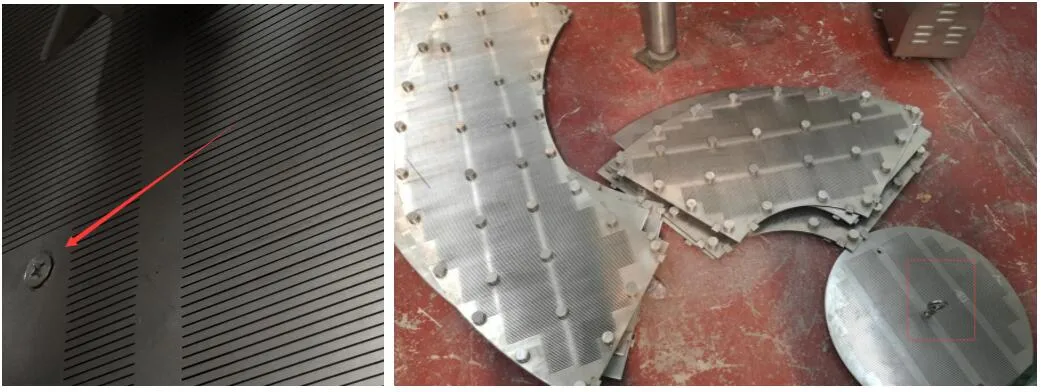
Indonesian regulation (Permenkes No.2/2023) sets potable water at pH 6.5–8.5. Therefore most tap or groundwater arrives neutral to alkaline (tan.co.id). Breweries therefore treat brewhouse water to hold mash at pH 5.2–5.6 and sparge at ≤6.0. Typical source water usually must be acidified or softened to reach that profile. This work can include conventional ion removal with a softener, alongside the acidification and dilution steps cited above.
Operational metrics and routine checks
Data from test mashes shows what this gives you. A mash acidified to pH ≈5.4 produced noticeably more fermentable sugars than a high‑alkalinity mash at pH ≈7.2. It also gave cleaner‑tasting wort (accidentalis.com). The success metrics are pH 5.2–5.6 in the mash and ≤5.8 in the sparge, final runnings limited to ~1.008–1.010 SG, and astringency tracked by sensory checks. In practice, routine pH meter readings, SG checks and line observations keep the process consistent (horiba.com and byo.com).
Key practice points and thresholds
- Heat sparge water to ~168–170 °F; avoid “boiling” sparge >180 °F (byo.com; byo.com).
- Monitor runoff pH and stop sparge as it approaches 5.8–6.0 (horiba.com; beerandgardeningjournal.com).
- Treat sparge liquor with acid/salts so its own pH is ≲6.0; in many cases a few mL of phosphoric acid per 20–25 L suffices (measure and verify) (byo.com; biralleebrewing.com).
- Match salt additions in sparge water to those used in the mash to prevent buffer mismatch (byo.com).
- Stop sparging at ≈1.008–1.010 SG to maximize yield without excess tannins (~90–95% extract) (byo.com).
The consensus across authoritative brewing texts and industry guides is consistent: controlling sparge water to ~170 °F and the grain‑bed to ≤6.0 pH minimizes polyphenol extraction while recovering most fermentables (byo.com; horiba.com; biralleebrewing.com). Trials and professional literature confirm that pushing beyond these thresholds increases tannin levels without meaningful yield lift, with one BYO piece even flagging “an extract efficiency of 65” in its discussion (byo.com; accidentalis.com).