

Article
7 reasons why wastewater management is important for environmental
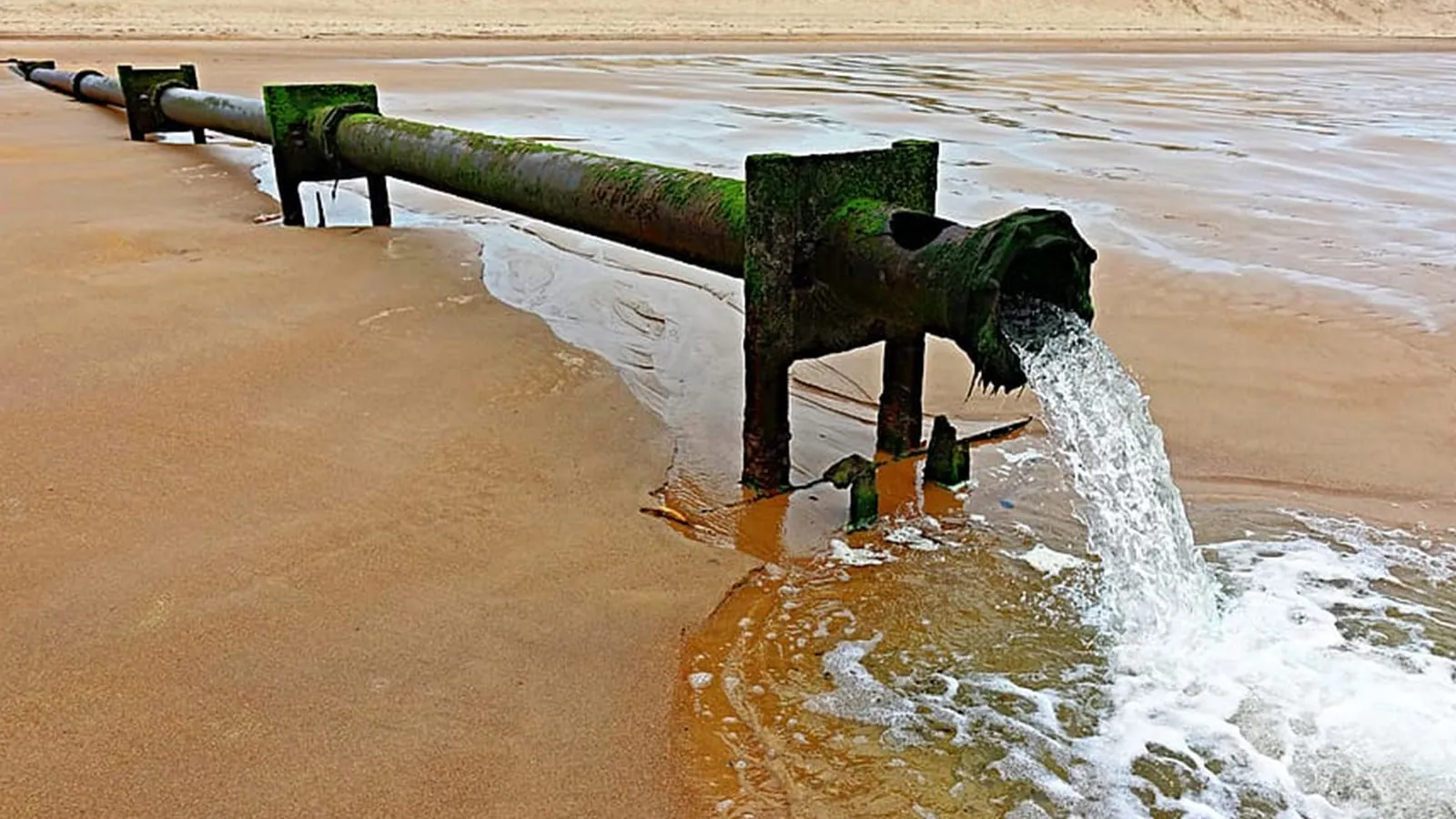
Wastewater stays in the background until something goes wrong. A fishkill in the river downstream of a factory. A beach closed after rainfall. A cholera outbreak traced to a leaking sewer. The reason it matters is simple. Every kilogram of organic load, every milligram of metal and every pathogen we let into the environment has to go somewhere. The cost of cleaning it up later is always higher than treating it at the source.
What “wastewater” actually contains
Wastewater isn’t a single thing. Domestic sewage is mostly water with a few hundred mg/L of biochemical oxygen demand (BOD), suspended solids, nitrogen as ammonia and organic-N, phosphorus, and a varied microbial population including pathogens like E. coli, Salmonella, and Vibrio. Industrial effluent depends entirely on the process — a textile dye-house carries reactive dyes and high COD; an electroplating shop carries chrome, nickel, and zinc; a palm oil mill carries thousands of mg/L COD and oily residues. Agricultural runoff brings nitrate, phosphate, and pesticide residues at lower concentrations but enormous volumes.
Each of these streams reaches a receiving body: river, sea or groundwater. The impact scales with what is in it.
Why untreated discharge breaks ecosystems
The first effect is oxygen depletion. Bacteria digest the organic matter in untreated sewage and consume dissolved oxygen. A river loaded with 200 mg/L BOD can drop from saturation to under 2 mg/L within kilometers downstream of the outfall. Below 4 mg/L, fish populations collapse. Below 1 mg/L, the water turns anaerobic and starts producing hydrogen sulfide and methane.
The second is eutrophication. Nitrogen and phosphorus that escape treatment fertilize the receiving water and trigger algae blooms. When the bloom dies off, decomposition uses up more oxygen. Therefore the cycle compounds. Indonesia’s coastal estuaries and inland reservoirs show this pattern clearly in the dry season, when river flow drops and nutrient concentrations climb.
The third is bioaccumulation of toxics. Heavy metals like mercury, cadmium and lead do not break down. They settle into sediment, get taken up by benthic organisms and concentrate up the food chain. Communities that depend on river fish for protein bear the cost.
The public health case
The link between untreated wastewater and waterborne disease is one of the oldest documented in epidemiology. Cholera, typhoid, hepatitis A and rotavirus all spread via the fecal-oral route. Inadequate sewerage or open dumping of septic tank waste directly enables transmission. WHO data attributes hundreds of thousands of deaths globally each year to unsafe sanitation. In the Indonesian context, areas with high septic-tank density and low groundwater protection see chronic enteric disease in children. This is measurable in stunting rates, school absenteeism and clinic visits.
Industrial wastewater carries a different health profile. Long-term exposure to low concentrations of arsenic, chromium-VI or organic solvents in drinking water sources is linked to cancer, kidney damage and neurological effects. The remediation cost is enormous when an industrial estate’s groundwater becomes unfit for drinking. Treating the discharge in the first place is orders of magnitude cheaper.
Climate, water security, and the reuse argument
Indonesia’s industrial belt sits in regions where dry-season water shortages are now routine. Treating wastewater to a quality that allows reuse reduces freshwater demand. The reuse can be for cooling tower makeup, irrigation, or even potable supply after full treatment. A palm oil mill that discharges 600 m³/day of POME loses both the water and the energy embedded in it. A mill that recovers 70% of that flow through anaerobic digestion plus aerobic polishing saves on freshwater intake permits and reduces methane emissions from open lagoons.
The carbon math also matters. Anaerobic lagoons and uncontrolled organic decomposition release methane. As a greenhouse gas, methane is roughly 28 times more potent than CO₂. Sealed digesters with biogas capture turn that liability into fuel.
Regulation and economics
Indonesian regulation has tightened steadily. Permen LHK 5/2014 and subsequent amendments set discharge limits by sector. For most industrial categories, BOD is under 30–50 mg/L, COD is under 80–150 mg/L, and oil and grease is under 5–10 mg/L. Penalties for exceedance now include forced shutdowns and criminal liability for facility managers. The cost of compliance is real but manageable. The cost of non-compliance is usually far higher: fines, shutdowns, reputational damage, and remediation orders.
Treatment is also a cost-control lever inside the fence line. Recovered water reduces freshwater bills. Recovered chemicals offset reagent costs, for example ammonia from urea wash water and metals from plating rinse. Sludge digested anaerobically generates biogas. None of these alone justify a treatment plant. However, together they shorten payback periods.
What good wastewater management looks like
Good practice runs in stages. Physical separation removes solids, oils, and grit through screens, grease traps, and clarifiers. Biological treatment breaks down dissolved organics. This can be activated sludge, SBR, MBBR, or MBR, depending on footprint and effluent target. Tertiary polishing with DAF, filtration, or membrane processes hits the final discharge limit. Sludge handling and disinfection close the loop.
Each stage is well-understood. However, the right combination depends on the source water, the target effluent, the available footprint, and the operating budget. A 50 m³/day domestic STP looks nothing like a 5,000 m³/day industrial mixed effluent plant. Matching the technology to the problem is where most of the engineering value sits.
Landfill leachate needs a plant designed from influent characteristics, peak flow, and the effluent target, because its flow and composition fluctuate. The stages are described on the leachate treatment page.
Beta Pramesti has designed, built and operated these systems across Indonesia since 1985. The work covers domestic, industrial and agricultural systems, and more of it is focused on reuse. If your discharge is outside spec, or your permit is getting tighter, it is worth talking to the engineering team to see what fits your site.